 English
 Deutsch
 Czech
Czech
 Polski
 Italian
 French


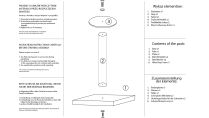

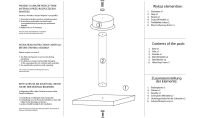

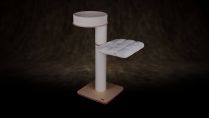
Cat tree for Maine Coon cats EX-MAX-1
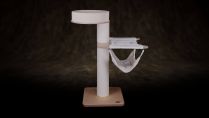
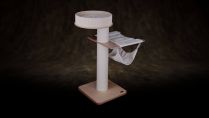
Cat tree for Maine Coon cats EX-MAX-2


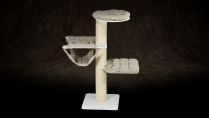
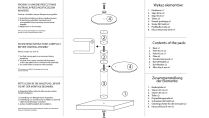
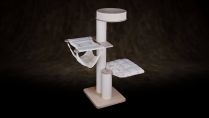
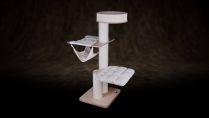
Maine Coon Cat Tree EX-MAX-3
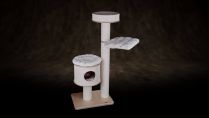
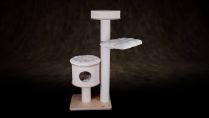
Maine Coon Cat Tree EX-MAX-4


Maine Coon Cat Tree EX-MAX-4A
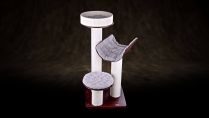
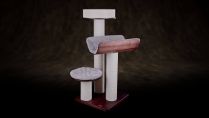
Maine Coon Cat Tree EX-MAX-5


Cat tree for Maine Coon cats EX-MAX-6
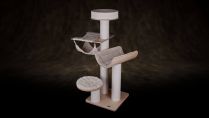
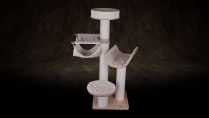
Cat tree for Maine Coon cat EX-MAX-7


Cat tree for Maine Coon cat EX-MAX-8
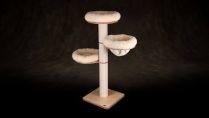


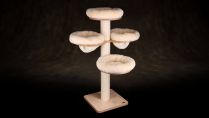
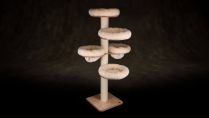
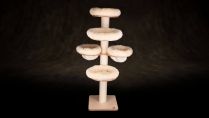
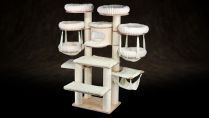

EX-MAX-12 – Giant Maine Coon Cat Tree
EX-MAX cat trees for Maine Coons
The Maine Coon has a long body, a powerful build and a substantial body weight. A cat tree intended for this breed should provide not only stable support, but also sufficiently spacious resting areas, long scratching surfaces and a comfortable route leading to each successive level.
The EX-MAX range was designed with the needs of Maine Coons in mind. It includes lower models with one or several resting areas as well as extensive constructions equipped with hammocks, houses, rosette beds, trough-shaped beds and large platforms.
The individual cat trees differ in height, base dimensions, number of posts and arrangement of the resting areas. This makes it possible to choose a construction suited to the age, temperament and way of moving of a particular Maine Coon.
Why can an ordinary cat tree be too small for a Maine Coon?
Many cat trees appear large only because of their overall height. In practice, their platforms, houses and beds may be sized for much smaller cats. An adult Maine Coon should be able to lie down freely, turn around, stretch its paws and adopt a natural sleeping position.
The actual surface available to the cat is more important than the external dimensions of the component. With hammocks, the usable fabric area should be checked. In houses, the internal diameter or width matters, while in rosette beds the relevant measurement is the space inside the surrounding rim.
Depending on the EX-MAX model, the available equipment includes wide hammocks, rosette beds with a large internal resting surface, houses suitable for a substantially built cat and elongated beds in which a Maine Coon can rest with its body fully extended.
A stable Maine Coon cat tree must withstand dynamic loads
The weight of a resting cat is not the only load acting on a cat tree. A Maine Coon jumps onto platforms, climbs the posts, pushes off from individual components and changes direction suddenly. In these situations, the forces acting on the construction are considerably greater than when the cat is simply resting.
For this reason, stability should not be assessed solely on the basis of the product’s weight or the diameter of its posts. The dimensions and rigidity of the base, the arrangement of the supporting points, the position of the upper components and the way in which the posts are connected to the platforms and resting areas are equally important.
A cat tree should be treated as one complete structural system. A large bed positioned high above the floor and far from the centre of the base creates a much greater load than the same component positioned directly above a supporting post.
Detailed information about the construction of posts, bases, platforms, sisal surfaces and connections can be found in our guide: how to recognise a good cat tree.
EX-MAX posts with a diameter of 18 cm
A characteristic feature of the floor-standing EX-MAX cat trees is the use of posts with a diameter of 18 cm. They provide a large scratching surface and help create the necessary rigidity in the individual sections of the construction.
The diameter alone does not, however, provide all the information needed when choosing a cat tree. The length of the sisal-covered surface should also be checked. An adult Maine Coon should be able to extend its front paws and fully stretch its back while scratching.
In models equipped with several posts, the cat can use different scratching surfaces. Their arrangement also helps the animal move between the successive levels of the cat tree.
Spacious beds, hammocks, rosettes and houses
Maine Coons have different resting preferences. Some cats choose open platforms or rosette beds from which they can observe the room. Others prefer soft hammocks, elongated beds or enclosed houses.
Before choosing a model, observe whether your cat usually sleeps curled up, rests with its paws and body fully extended, seeks high and open observation points or prefers more sheltered spaces. The equipment of the cat tree should correspond to the animal’s actual habits.
In a household with several Maine Coons, the number of independent resting areas is also important. Separate hammocks, platforms and beds allow several cats to use the construction simultaneously and reduce competition for the highest resting place.
Comfortable access to every level
A Maine Coon cat tree should provide not only spacious resting areas but also a properly planned route to them. Pay attention to the height differences between platforms, their relative positions and the space required for the cat to jump safely.
A young and agile Maine Coon may comfortably use larger distances between levels. An older, heavier or less mobile cat will need a more gradual arrangement of steps and easier access to its resting places.
It is also worth checking the direction from which the cat enters a house, tube or hammock. A component may be sufficiently large but still remain uncomfortable if access is obstructed by a post or requires a difficult jump from the wrong direction.
A cat tree for one or several Maine Coons
For one cat, a model with one main resting area and an additional observation platform may be sufficient. For two or more Maine Coons, it is advisable to choose a construction with several independent beds positioned at different levels.
Not only the number of resting places matters, but also the way the cats move between them. The animals should not block one another’s only access route or be forced to pass directly through an occupied hammock or bed.
For several active Maine Coons, consider a model with a larger base, several supporting points and separate areas intended for scratching, climbing and resting.
How to choose the right EX-MAX model
Before purchasing, compare the overall height and width of the cat tree, the dimensions of the base, the number of posts, the length of the sisal-covered surfaces, the size of the resting areas and the distances between the individual levels.
A lower model with a large and easily accessible resting place may be suitable for a calm Maine Coon. An active cat will make better use of a tall construction equipped with long posts, several levels and different types of beds.
The adult size of a young cat should also be taken into account. A cat tree purchased for a kitten should be selected according to the expected dimensions and weight of an adult Maine Coon, rather than only the kitten’s current size.
Floor-standing or floor-to-ceiling cat tree for a Maine Coon?
The EX-MAX models in this category are floor-standing constructions. They can be positioned without permanent attachment to the ceiling, while the choice of a particular model depends on the available floor area and the layout of the room.
Tall floor-to-ceiling constructions make it possible to use the vertical space of the room, but they require correct adjustment to the ceiling height and proper installation. These models are available in the separate category floor-to-ceiling cat trees for Maine Coons.
Cleaning and refurbishing the cat tree
With intensive use by a Maine Coon, the covers of the resting areas and the sisal-covered surfaces are usually the first components to show wear. For this reason, it is important to consider whether selected components can be cleaned, removed or replaced later.
In many EX-MAX models, textile components can be removed, while worn covers and posts can be replaced with new parts. This makes it possible to refurbish the cat tree without replacing the complete construction.
This is particularly important in a household with several Maine Coons, where hammocks, beds and scratching posts are used much more intensively.
Custom modifications to EX-MAX cat trees
When a selected model does not precisely match the needs of the cat or the dimensions of the room, certain components of the construction can be modified. Depending on the project, this may involve changing the type of bed, the length of a post, the arrangement of the platforms or the equipment of the cat tree.
Information about individual projects can be found on our page dedicated to custom-made cat trees and individual modifications.
A cat tree suited to the needs of a Maine Coon
A good Maine Coon cat tree should combine a stable base, strong posts, sufficiently spacious resting areas and convenient access to every level. It should not be assessed solely on the basis of its height or attractive appearance.
Before choosing a model, compare the technical details of the available EX-MAX constructions and select one suited to the age, weight, activity level and resting habits of your cat.
Other ranges of specialist constructions can be compared in the parent category cat trees for large cats.


