 English
 Deutsch
 Czech
Czech
 Polski
 Italian
 French

Upholstered floor-to-ceiling cat trees are tension-mounted structures that use the height of the room to create a vertical route for scratching, climbing and rest. The category includes tall cat trees with sisal-wrapped posts, platforms, hammocks, hideaways, tunnels and beds. Each model should be matched to the exact floor-to-ceiling height and to the cat’s size, mobility and activity level.
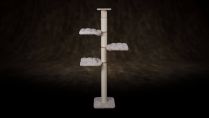

Floor-to-ceiling tension cat tree S-1

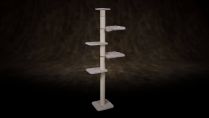
Floor-to-ceiling tension cat tree S-1A


Floor-to-ceiling tension cat tree S-1B


Floor-to-ceiling tension cat tree S-1C
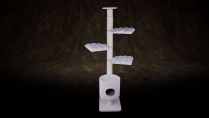

Floor-to-ceiling tension cat tree S-1D


Floor-to-ceiling tension cat tree S-1E
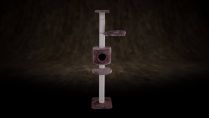

Floor-to-ceiling tension cat tree S-1F
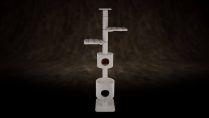
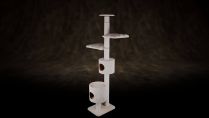
Floor-to-ceiling tension cat tree S-1G


Floor-to-ceiling tension cat tree S-1H
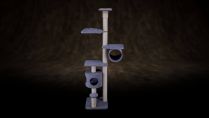

Floor-to-ceiling tension cat tree S-2
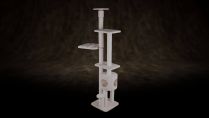

Floor-to-ceiling tension cat tree S-2A

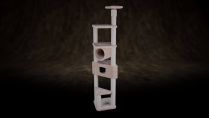
Floor-to-ceiling tension cat tree S-3

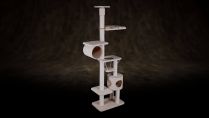
Floor-to-ceiling tension cat tree S-4


Floor-to-ceiling tension cat tree S-5

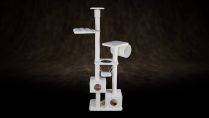
Floor-to-ceiling tension cat tree S-6
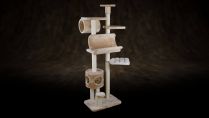

Floor-to-ceiling tension cat tree S-7

Floor-to-ceiling tension cat tree S-8
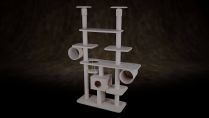

Floor-to-ceiling tension cat tree S-9
Floor-to-ceiling cat tree – a tall tension-mounted structure for cats
Upholstered floor-to-ceiling cat trees, also described as tension-mounted cat trees, use the space between the floor and ceiling. Sisal-wrapped posts, platforms, hammocks, hideaways, tunnels and beds create a vertical route for climbing, scratching, observing the room and resting at different heights.
These models form part of the wider collection of upholstered cat trees. Their distinguishing features are their substantial height and an adjustable tension mechanism used to fit the upper section of the construction against the ceiling.
Floor-to-ceiling and tension-mounted describe the same construction
The terms “floor-to-ceiling cat tree”, “ceiling-height cat tree” and “tension-mounted cat tree” describe the same type of product. The construction extends almost to the full height of the room, while its upper section is pressed against the ceiling by an adjustable tension mechanism.
The ceiling contact point provides additional support, so the cat tree does not depend solely on the product weight and base dimensions. Correct operation nevertheless requires an accurate room measurement, proper assembly, vertical positioning and suitable tension adjustment.
A tall cat tree that uses vertical space
A tall cat tree can provide an extensive climbing route without necessarily requiring a very wide floor-standing base. It may therefore be practical in a room where floor space is limited but sufficient vertical space is available.
Height alone does not determine how functional the construction will be. Post lengths, platform arrangement, resting-area dimensions and the route between consecutive levels are equally important. A well-designed floor-to-ceiling cat tree should make both climbing and descending convenient.
How to measure the room height
Before ordering, measure vertically from the finished floor to the ceiling at the exact point where the cat tree will stand. Do not rely only on the nominal room height, as the floor or ceiling level may vary within the same room.
The construction is produced with the height entered during ordering taken into account. An appropriate installation allowance is provided, while the tension mechanism enables the final adjustment against the ceiling.
After assembly, check that the cat tree is vertical, tighten all connections correctly and adjust the tension in accordance with the instructions. The ceiling pressure and screw connections should be inspected periodically, particularly after the first days of intensive use.
Long sisal posts for scratching and stretching
A tension-mounted cat tree should provide not only access to elevated levels but also sufficiently long scratching surfaces. Posts wrapped in sisal rope allow the cat to grip with its claws and stretch its front legs, shoulders, back and torso.
When comparing models, check whether at least one post section allows the animal to raise its front paws and stretch comfortably. Shorter posts can connect consecutive levels and provide additional scratching surfaces during climbing.
A vertical climbing route
In a floor-to-ceiling construction, the posts and platforms create an extensive route. The individual components should allow the cat to place its paws securely, turn, move to the next level and descend without colliding with neighbouring elements.
A young and athletic cat can usually cover wider gaps. An older, calmer or less mobile animal may benefit from a model with more closely spaced platforms and a gradual route.
For a multi-cat household, consider whether an occupied hammock, hideaway or bed will block the entire climbing path. A larger structure should provide several full-sized resting areas and allow the animals to move between them as comfortably as possible.
Hammocks, hideaways, tunnels and beds
Depending on the model, an upholstered floor-to-ceiling cat tree may include flat platforms, single or double hammocks, hideaways, tunnels, round beds and open resting areas. Different components allow the cat to choose between an open observation point and a more sheltered sleeping place.
Check the actual usable dimensions of each component. A large number of platforms and beds does not automatically mean that every one of them will be suitable for an adult or larger cat.
An open platform provides a clear view of the room, a hideaway offers greater privacy, and a hammock gently adapts to the cat’s body. The equipment should reflect the animal’s preferred resting habits.
Stability of a floor-to-ceiling cat tree
A tall cat tree is exposed not only to the static weight of a resting animal. Greater forces may arise when the cat jumps onto a side platform, climbs rapidly, pulls itself up a post, changes direction or jumps down from an upper level.
Stability depends on the proportions and rigidity of the base, the post arrangement, the quality of the connections, correct assembly and proper tension adjustment. The bases of our currently manufactured cat trees are made from rigid layered plywood.
The cat tree should stand on an even surface, and the tension component must rest against a stable part of the ceiling. The construction should not be used if it remains visibly tilted, moves or loses pressure after assembly.
Upholstered surfaces and maintenance
Upholstered platforms, hideaways and beds provide soft places for sitting and rest. Depending on the model, the fabric may be permanently attached or supplied as removable covers, cushions or padded inserts.
Removable textile components make periodic washing and thorough fur removal easier. Fixed upholstery can be vacuumed and cleaned according to the care recommendations for the selected fabric.
Many models allow the upholstery material and colour and the sisal-rope colour to be selected, making it possible to coordinate the tall cat tree with the interior.
Upholstered or exclusive floor-to-ceiling cat tree?
The upholstered S series provides a classic soft finish on the bases, platforms, hideaways and resting areas. Customers who prefer more visible varnished wood can compare the exclusive floor-to-ceiling cat trees.
The exclusive section contains two main groups. The exclusive floor-to-ceiling cat trees for medium-sized and large cats offer various arrangements of platforms, hammocks, round beds, hideaways and tubes.
For cats with a particularly large and substantial build, the EX-S-MAX floor-to-ceiling cat trees for Maine Coons feature thicker posts and larger resting areas.
How to choose a floor-to-ceiling cat tree
Before ordering, compare:
- the exact floor-to-ceiling height;
- the dimensions and proportions of the base;
- the length of the available sisal surfaces;
- the platform arrangement and routes up and down;
- the dimensions of hammocks, hideaways, tunnels and beds;
- the cat’s age, weight, mobility and activity level;
- the number of animals using the construction;
- whether textile components can be removed and washed;
- the space available for jumping on and off;
- the installation conditions at the floor and ceiling.
A well-selected floor-to-ceiling cat tree should provide a clear vertical route, long scratching surfaces and comfortable resting areas at different heights. Freestanding, wall-mounted, wooden and upholstered constructions can be compared in the main cat trees category.


