 English
 Deutsch
 Czech
Czech
 Polski
 Italian
 French

Cat beds, hideaways, hammocks and cushions include soft sleeping mats, padded beds, mattresses, tunnels, enclosed houses, radiator hammocks, show-cage beds and freestanding wooden constructions. The models differ in shape, usable sleeping area, filling, cleaning method and intended use.
Choose an open bed for full-body stretching, a protected hideaway, a warm radiator hammock or a stable wooden resting place. The range also includes beds with a scratching element that can complement a full-sized cat tree.

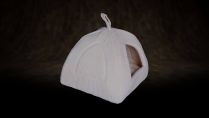
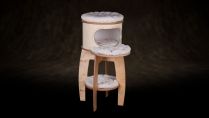
Igloo house

A hammock to the exhibition cage
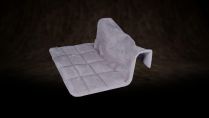

A hammock - hanger to the radiator

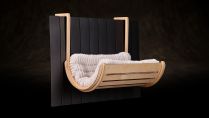
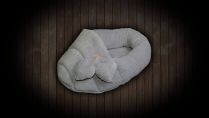
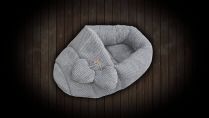
"Lać" with hearts

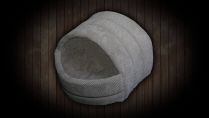


Lair with hearts


A tunnel sack


The round reversible pouf




Reversible pillow rectangular


A mattress to the exhibition cage


den tulip
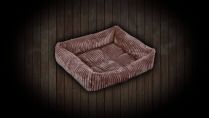

Rectangular liar


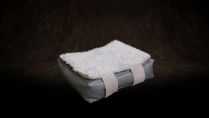
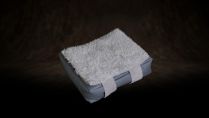


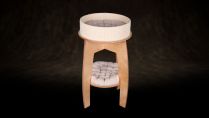
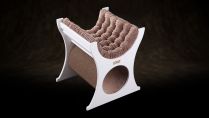
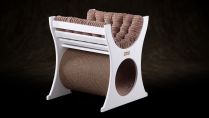
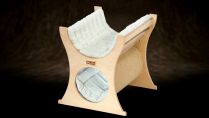
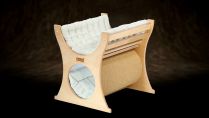
Cradle for cats
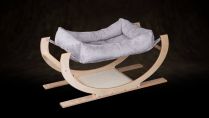
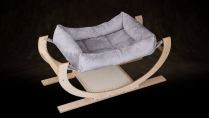
Cradle for cats Max
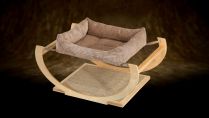
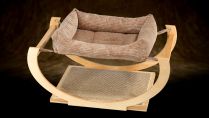
Cradle for cats Max-2
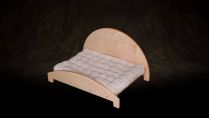




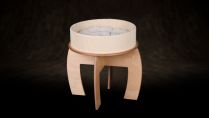
- -20%





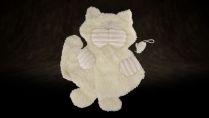

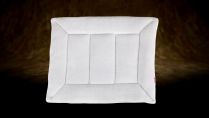
Cat beds – hideaways, hammocks and cushions
Cat beds, hideaways, hammocks and cushions form a varied range of independent resting places. They can be positioned on the floor, furniture or windowsill, hung from a radiator or installed inside a show cage.
The collection includes soft cushions, mattresses and padded beds as well as enclosed houses, tunnels, hammocks, wooden cradles, elongated beds, nests and constructions combining a resting place with a scratching surface.
Open or enclosed cat bed?
An open cat bed gives the animal a clear view of the room and room to change position. It may be a cushion, mattress, padded bed, cradle or resting place with raised edges.
An enclosed cat house, igloo, tunnel or sleeping bag provides more cover. Before ordering, check the usable internal dimensions, entrance size, height and whether the cat can turn and lie down comfortably.
Cushions, mattresses and padded beds
Cushions and mattresses can be used on the floor, sofa, chair, windowsill, shelf or inside a wooden house. Depending on the product, different sizes, fabrics and reversible versions are available.
Compare:
- the actual usable sleeping area;
- the thickness and resilience of the filling;
- whether the cover can be removed;
- whether the complete bed or only the cover can be washed;
- how easily hair can be removed;
- stability on a smooth floor.
Selected products use soft silicone-fibre filling. Always check the individual product description for the exact filling and care instructions.
Cat houses, igloos and tunnels
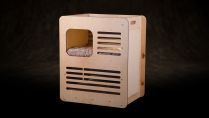
A cat house may have a soft collapsible form or a rigid wooden frame. Textile hideaways are lightweight and easy to move, while wooden models retain their shape and may provide an additional resting surface on top.
A removable internal cushion is practical because it can be cleaned separately from the complete construction.
In a multi-cat household, position an enclosed bed so that another animal cannot easily block the only entrance.
Cat hammocks
A cat hammock creates a flexible resting surface that adapts slightly under the animal’s weight. The category includes freestanding hammocks, wooden cradles, show-cage hammocks and radiator-mounted models.
Check:
- usable dimensions;
- frame rigidity;
- the fastening system;
- whether the cover can be removed;
- washing instructions;
- suitability for the cat’s weight.
Radiator cat beds
A radiator cat bed can suit animals that regularly seek warm places. The hooks and frame must match the shape and thickness of the particular radiator.
Measure the radiator, the distance from the wall and the available space in front of it. The bed must not obstruct the thermostat or interfere with the safe operation of the heating system.
Show-cage hammocks and mattresses
Show-cage beds help organise both the floor and the upper area of the cage. Compare the product dimensions with the cage’s internal measurements.
A hammock must be attached at every required point. Inspect clips, straps and seams before each use. A floor mattress should not block access to the litter tray, bowls or carrier.
Freestanding wooden cat beds
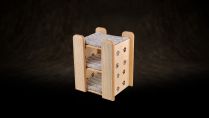
Wooden cradles, elongated beds, nests and boxes provide a rigid alternative to fully soft bedding. A stable frame retains its shape, while a removable cushion or cover creates a comfortable resting surface.
They can be used beside a window, in the living room, close to a cat tree or as a more substantial resting place for a large cat.
Cat beds with a scratching element
Selected models combine a bed with a sisal mat, scratching panel or post. They offer two functions in one construction, but the size of the scratching surface should be assessed separately.
A small sisal area may provide additional horizontal scratching but does not necessarily replace a full-sized cat tree with long vertical posts.
How to choose the size
Do not choose a bed only according to body weight. Observe whether the cat curls tightly, sleeps on its side, stretches its legs or shares a resting place with another animal.
The usable sleeping surface matters more than the external dimensions, which may include thick borders, frames and supports.
Cat beds for large cats
For a Maine Coon, Ragdoll, Norwegian Forest Cat or another large cat, compare:
- the internal dimensions of the house;
- the hammock or cushion surface;
- the rigidity of the frame;
- the entrance size;
- whether the full body can rest without excessive overhang.
Beds for kittens and older cats
A kitten bed may be smaller and more enclosing, but loose threads, damaged seams and unsecured fasteners should be avoided.
An older or less mobile cat may benefit from a low entrance, stable base, easily accessible position and soft filling that does not collapse excessively.
Several beds in a multi-cat household
Even cats with a good relationship may prefer separate resting places. Provide several beds in different parts of the room, including both open and enclosed options.
Fabrics, fillings and removable covers
Fabric influences appearance, softness, cleaning and the visibility of cat hair. Before choosing a colour, check whether the cover is removable, the permitted washing temperature and whether replacement covers are available.
Cleaning and washing
Many products in this category can be hand or machine washed, often at temperatures up to 40°C. The exact instructions for the selected model must always take priority.
Before washing:
- remove loose hair;
- remove wooden or metal components when required;
- close fasteners according to the instructions;
- check whether the filling can be washed;
- dry every layer completely before reuse.
Where should a cat bed be placed?
Choose a place that reflects the animal’s habits. Suitable locations may include a quiet corner, an area beside the sofa, a wide windowsill, a position close to a radiator or a resting place next to the cat tree.
Freestanding or wall-mounted bed?
Freestanding cushions, hideaways and hammocks require no wall installation and can easily be moved. Wall-mounted products use vertical space and can create a climbing route.
Compare all options in the cat beds category.
How to select the right model
Before ordering, compare:
- the cat’s size and body length;
- its preferred sleeping position;
- open or enclosed construction;
- the actual usable area;
- entrance dimensions;
- frame and filling;
- hammock fastenings;
- removable-cover options;
- washing instructions;
- the intended location;
- the number of animals;
- any additional scratching surface.
Choose a bed, hideaway, hammock or cushion that provides enough room for comfortable entry, movement and full-body rest.


