 English
 Deutsch
 Czech
Czech
 Polski
 Italian
 French

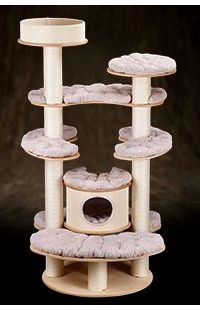
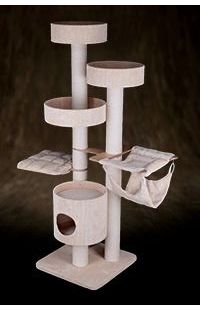
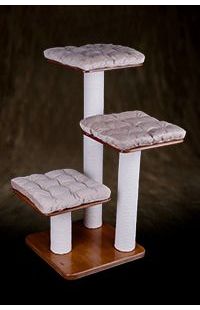
Rufi cat trees are stable and durable structures made in Poland for scratching, climbing, play and rest. This category includes models for kittens, medium-sized and large cats, as well as wooden, upholstered, wall-mounted, floor-to-ceiling and outdoor cat trees.
<
How to choose the right cat tree?
A good cat tree should be matched not only to your cat’s size but also to its age, activity level and preferred way of using the structure. A calm kitten has different needs from a large adult cat that climbs vigorously, jumps between platforms and enjoys resting high above the floor.
In this category, you will find stable cat trees designed for scratching, climbing, playing and resting. Our range includes compact structures for smaller spaces as well as tall, multi-level models equipped with platforms, hideaways, hammocks, tunnels and comfortable beds. This makes it easier to choose a suitable model for one cat, several cats or an entire feline household.
Cat trees for kittens, medium-sized cats and large breeds
The dimensions and layout of the structure should be suited to your cat’s body weight and physical abilities. For young animals and smaller breeds, consider our cat trees for kittens and small cats. Their carefully arranged levels make climbing easier and allow young cats to develop their coordination in a safe and controlled way.
Adult cats generally benefit from a larger structure with a sufficiently wide base, comfortable platforms and long scratching posts. Owners of bigger and heavier cats can explore our cat trees for large cats, designed to withstand greater loads and intensive everyday use.
Breeds such as the Maine Coon, Norwegian Forest Cat and Ragdoll require particularly spacious resting areas, easy access between levels and enough room to stretch their bodies fully. For the largest representatives of these breeds, we have also created a dedicated collection of cat trees for Maine Coons.
Which type of cat tree should you choose?
The best model depends on your cat’s behaviour, the amount of available space and the style of your home. The Rufi range includes several types of structures:
- wooden cat trees – durable, easy to keep clean and well suited to modern interiors;
- upholstered cat trees – classic structures finished with soft fabric and equipped with comfortable places for resting;
- floor-to-ceiling cat trees – tall structures that make effective use of vertical space and allow cats to climb high above the floor;
- wall-mounted cat trees – a practical solution for smaller rooms and for creating extended climbing routes along a wall;
- outdoor cat trees for balconies, terraces and cat enclosures – structures intended for appropriately secured outdoor areas;
- cat towers and scratching tubes – tall and relatively compact models that provide hiding places, observation points and climbing surfaces;
- cat playgrounds – extensive structures intended for several cats or particularly active animals.
Our range also includes basic cat trees and scratching posts for customers looking for a simpler construction with a scratching column, platform, hammock or individual sleeping area.
Stability and safety
Stability is one of the most important factors to consider when choosing a cat tree. A cat does not use it like an ordinary piece of furniture. It may jump onto it at speed, push against the posts, climb vigorously and change direction suddenly. The structure must therefore withstand both the cat’s body weight and the additional forces created during jumping, climbing and play.
With tall and multi-level cat trees, the dimensions of the base are not the only factor that matters. The arrangement of the posts, the position of the platforms, the quality of the connections and the overall proportions of the construction are equally important. A properly designed cat tree should remain secure and stable when used by a small cat, a heavy Maine Coon or several cats at the same time.
Before buying, it is also worth checking the dimensions of the platforms, beds, hammocks and hideaways. Your cat should be able to lie down comfortably, turn around freely and move safely between the different levels. More detailed information about materials, scratching posts, sisal rope and construction quality can be found in our guide: how to recognise a good cat tree.
A cat tree with a bed, hideaway or hammock?
Scratching is only one of the functions of a well-designed cat tree. Many cats also use the structure as a place to sleep, observe their surroundings and retreat from activity in the home. For this reason, it is worth paying attention to the equipment included with each model.
A cat tree with a bed is a good choice for a cat that likes to rest in an open space while observing the room. An enclosed hideaway offers a more sheltered place to sleep, while a hammock adapts to the shape and preferred sleeping position of the animal.
In homes with several cats, structures offering multiple resting areas are usually the most practical. They allow each cat to choose its own place and reduce competition for the highest platform, favourite bed or most comfortable hammock.
Why is the scratching area important?
A scratching surface should allow the cat to stretch its body and use its claws naturally. For many adult cats, a short post is not sufficient because it prevents them from extending their front legs and back fully. Taller scratching columns are particularly important for large and active cats.
The diameter, length and position of the posts should therefore be considered alongside the overall height of the structure. A cat tree with several scratching areas also gives the animal a choice between vertical, diagonal and horizontal positions.
Providing an attractive scratching area can help direct the cat’s natural behaviour away from sofas, chairs, carpets and other household furnishings. However, the cat tree should be placed in a location where the animal naturally spends time, rather than in an isolated or rarely used part of the home.
How much space does a cat tree require?
When measuring the available space, consider the total dimensions of the structure rather than only the size of its base. Platforms, hammocks, beds and tunnels may extend beyond the base and require additional room around the cat tree.
It is also important to leave enough space for the cat to jump onto and off the structure safely. A tall model placed directly next to fragile furniture, glass objects or an opening door may not be practical, even if the base itself fits into the available space.
For smaller rooms, a wall-mounted or floor-to-ceiling model may provide more climbing space without taking up a large area of the floor. In larger rooms, a freestanding multi-level cat tree can become the central play and resting area for one or several cats.
Cat trees manufactured by Rufi
Rufi designs and manufactures cat trees for kittens, adult cats and medium-sized or large breeds. Individual models differ in height, layout, equipment and finish, allowing the structure to be matched to the animal’s needs and the space available in the home.
When comparing models, pay particular attention to stability, the length of the scratching surfaces, the dimensions of the platforms and the ease of moving between levels. A properly selected cat tree supports natural feline behaviour, provides space for exercise and rest, and helps protect furniture and other elements of the home.
Additional items for creating a comfortable feline environment include our cat beds and cat toys that encourage natural activity. Explore the available models and choose a structure suited to your cat’s size, age, temperament and preferred way of spending time.


