 English
 Deutsch
 Czech
Czech
 Polski
 Italian
 French

Wall-mounted cat beds and shelves use vertical room space to create elevated areas for rest, observation and climbing. The category includes hammocks, round beds, curved platforms, houses, tunnels, shelves, steps, ladders, bridges and scratching posts that can be installed individually or combined into a complete cat wall route.
Match the spacing and mounting method to the cat’s size, age and mobility as well as to the construction of the wall. Choose a single elevated bed or design a complete system combining rest, movement, observation and additional scratching surfaces.


Hammock Bed - mounted to the wall (wood)

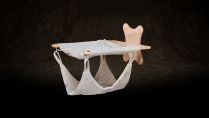
Hammock Pet Bed (Small)


Lair Plate - mounted to the wall


Lair Single Hammock


Lair of the Rosette - mounted to the wall

Hanging cat box

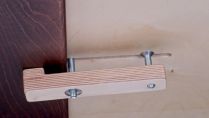
Round window-mounted cat bed


Lair rectangular mounted on the windowsill


Box mounted to the wall
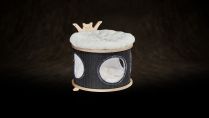
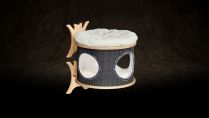
Box mounted to the wall - version 2
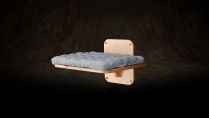

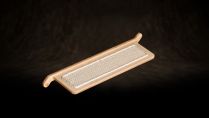
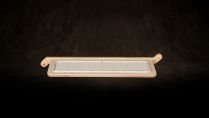

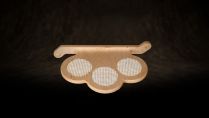
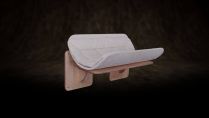
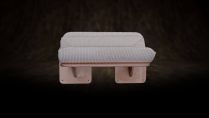
Gutter lair mounted to the wall, pernamently upholstered


Gutter lair mounted to the wall
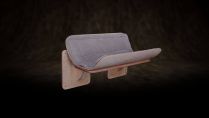
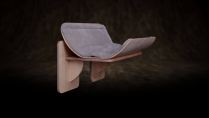
Wooden gutter lair mounted to the wall

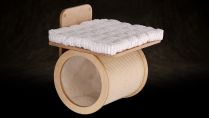
Shelf with sisal sleeve mounted to the wall


Shelf mounted to the wall, 2 supports
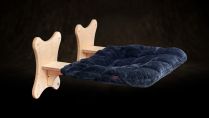
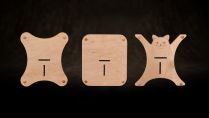
The single hammock XL mounted to the wall

Lair with frame mounted on the windowsill


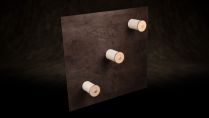
Step- diameter 12 cm
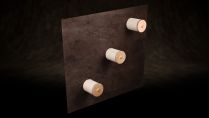
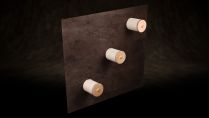
Step- diameter 14 cm


Step diameter 18 cm
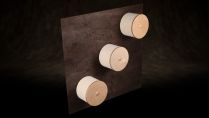
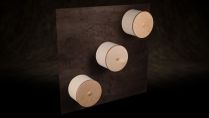
Step diameter 27 cm


Trap fixed to the wall

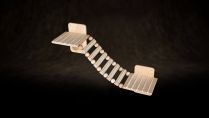


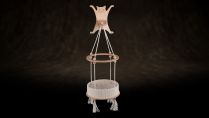


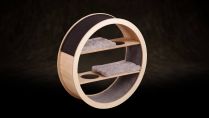

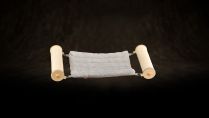



Wall-mounted cat beds and shelves
Wall-mounted cat beds and shelves create elevated resting and climbing areas without occupying a large part of the floor. A single hammock, round bed or shelf can function independently, while several modules can form a route leading through steps and bridges to an elevated house or sleeping platform.
The range includes:
- single and double wall-mounted hammocks;
- round beds, raised-edge beds and resting plates;
- curved wooden or upholstered platforms;
- wall-mounted houses and enclosed hideaways;
- tunnel-style resting modules;
- rectangular shelves and platforms;
- steps in different diameters;
- ladders, rigid ramps and flexible bridges;
- wall-mounted scratching posts;
- sets combining several beds and movement modules;
- selected windowsill beds.
Using vertical space
A wall system can provide observation points, resting places and climbing routes while leaving more free space on the floor. It may suit a compact apartment as well as a large multi-cat room.
Not every cat automatically prefers the highest position. Mounting height should reflect the animal’s real habits, confidence and mobility rather than only the amount of available wall space.
Wall bed or cat shelf?
A wall-mounted cat bed is designed primarily for rest and may contain a hammock, removable cushion, upholstered surface or raised rim.
A cat wall shelf can be used as a step, observation point, short resting platform or connection between larger modules. A small shelf intended only as a step may not provide enough room for prolonged sleep.
Check whether the cat can enter, turn and rest with its full body supported by the usable surface.
Wall-mounted cat hammocks
A wall hammock provides a flexible surface that adapts slightly to the body. Models may differ in frame size, usable sleeping area, number of mounting points and declared load.
Check the specifications of the selected product rather than applying the load information of one hammock to every model in the category.
Round beds and raised-edge resting places
Round beds may take the form of a flat plate with a cushion or a raised-edge rosette. External diameter does not always equal the usable internal sleeping area, because the wooden frame or padded rim occupies part of the surface.
Curved wall beds
Curved platforms create an elongated, slightly recessed resting surface. They may be upholstered, made from varnished wood or fitted with a removable mattress.
Compare the length, width, depth, support size and access route before ordering.
Wall-mounted houses and tunnels
An enclosed wall house provides a protected elevated hideaway. It may include an internal cushion and an additional bed on top.
Check the internal dimensions, entrance size, cleaning access and the route by which the cat will enter and leave. In a multi-cat home, avoid a design in which another animal can block the only exit.
Cat wall shelves and steps
Shelves may be wooden, upholstered or covered with sisal. They can serve as communication platforms or full-sized resting places.
Round steps occupy little wall space and can connect lower and higher modules. Match their diameter and spacing to the cat’s body length, age and mobility.
Ladders, ramps and bridges
Ladders, rigid ramps and flexible bridges connect distant parts of the system. A moving bridge may suit a confident, active cat, while an older or cautious animal may prefer wider rigid platforms.
Check the route width, height difference, movement of the element and the stability of the starting and finishing platforms.
Creating a cat wall route
Plan the system around a full-sized bed or house rather than placing many small shelves randomly.
- Choose the main resting place.
- Determine its mounting height.
- Plan the easiest route from the floor or furniture.
- Add shelves and steps at suitable intervals.
- Provide a clear descending route.
- Check doors, windows and furniture for collisions.
- Preserve access for cleaning and inspection.
Planning the way down
A cat may be able to jump upwards but find the same distance difficult when descending. Lower surfaces should be visible from above and large enough for secure landing.
Different routes for different cats
Young active cats may use greater height differences, while kittens, senior cats and animals with reduced mobility may require larger stationary platforms positioned closer together.
Wall beds for large cats
A large cat needs a spacious usable area, rigid supports and suitable wall fixings. Consider the number of brackets, distance from the wall, declared load and the wall material.
The farther a platform projects into the room, the greater the leverage acting on its supports and mounting points.
A multi-cat wall system
Provide several full-sized resting places and more than one movement route. A cat resting in the main house or on the highest shelf should not block the only way up or down.
Wall type and mounting
The safety of the system depends on the wall material, correct fixings and accurate installation. Concrete, solid brick, hollow masonry, aerated concrete and plasterboard may require different anchors.
Heavy wall beds should not be attached to thin plasterboard without appropriate structural reinforcement or a fastening system designed for the expected load.
When the wall construction or correct mounting method is uncertain, installation should be performed by a person experienced in fixing components subjected to dynamic loads.
Are mounting components included?
The contents of the package may differ between products. Check the individual description and instructions. Even supplied screws or anchors must be appropriate for the actual wall.
Inspection after installation
Before allowing the cat to use the system, check that every support sits firmly against the wall, shelves are level and no fastening has play.
Inspect the mounting again after the first days of use and periodically thereafter.
Removable covers and cleaning
Many wall beds have removable cushions or covers. Follow the washing temperature specified for the selected model and dry every layer completely before refitting.
Windowsill cat beds
Selected products are designed for mounting on a windowsill. Measure the sill, check the fastening method and ensure that the bed does not obstruct safe window operation.
Combining beds with a wall-mounted cat tree
Shelves, steps, hammocks and houses can complement a larger wall-mounted cat tree. Resting and movement modules do not automatically replace a sufficiently long scratching surface.
How to choose wall-mounted cat furniture
Before ordering, compare:
- the cat’s size, weight and mobility;
- the number of animals;
- the usable bed dimensions;
- shelf and step dimensions;
- wall type and condition;
- mounting points and supports;
- planned mounting height;
- distances between modules;
- the way up and down;
- cover-removal and cleaning access;
- possible interference with doors, windows and furniture.
Compare the available wall-mounted cat beds and shelves or return to the main cat beds category to see freestanding cushions, mattresses, hideaways and hammocks.


