 English
 Deutsch
 Czech
Czech
 Polski
 Italian
 French

Floor-to-ceiling, tension-mounted cat trees for medium and large cat breeds are tall structures featuring varnished wooden components, sisal scratching posts and comfortable resting areas. They use the space between the floor and ceiling to provide opportunities for scratching, climbing and observing the room.
obserwowania otoczenia.
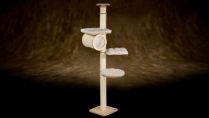

Floor-to-Ceiling Tension Cat Tree EX-S-1
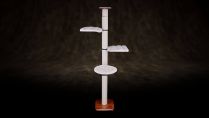

Floor-to-Ceiling Tension Cat Tree EX-S-1A
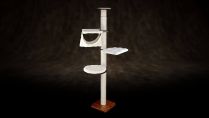
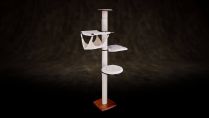
Floor-to-Ceiling Tension Cat Tree EX-S-1B
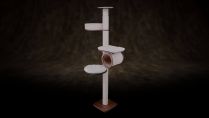

Floor-to-Ceiling Tension Cat Tree EX-S-1C
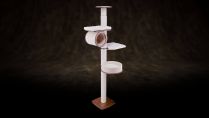

Floor-to-Ceiling Tension Cat Tree EX-S-1D
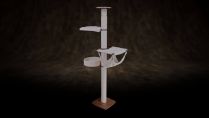

Floor-to-Ceiling Tension Cat Tree EX-S-1E


Floor-to-Ceiling Tension Cat Tree EX-S-1F

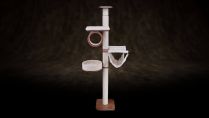
EX-S-2 Floor-to-Ceiling Cat Tree
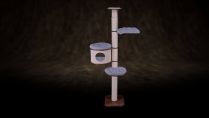

Floor-to-Ceiling Tension Cat Tree EX-S-3

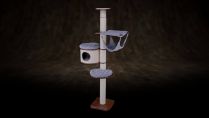
Floor-to-Ceiling Tension Cat Tree EX-S-4


Floor-to-Ceiling Tension Cat Tree EX-S-5


Floor-to-Ceiling Tension Cat Tree EX-S-6

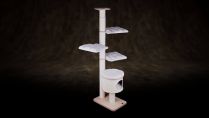
Floor-to-Ceiling Tension Cat Tree EX-S-7
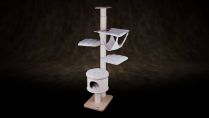
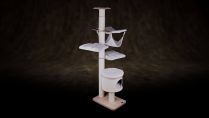
Floor-to-Ceiling Tension Cat Tree EX-S-8
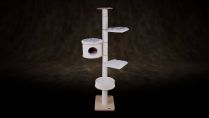
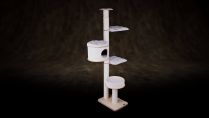
Floor-to-Ceiling Tension Cat Tree EX-S-9
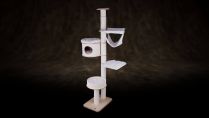

Floor-to-Ceiling Tension Cat Tree EX-S-10
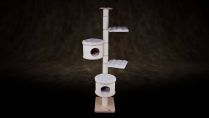
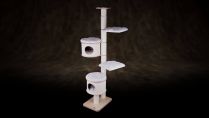
Floor-to-Ceiling Tension Cat Tree EX-S-11
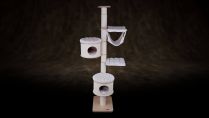

Floor-to-Ceiling Tension Cat Tree EX-S-12
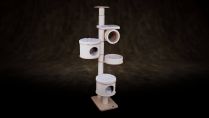

Floor-to-Ceiling Tension Cat Tree EX-S-13
Floor-to-ceiling cat trees for medium and large cat breeds
Floor-to-ceiling, tension-mounted cat trees for medium and large cat breeds are tall structures designed to use the vertical space between the floor and ceiling. Sisal-wrapped posts, platforms, hammocks, houses, tunnels and beds create a climbing route for scratching, exercising, observing the room and resting at different heights.
This category contains EX-S models combining varnished wooden components, sisal surfaces and replaceable textile elements. Individual cat trees differ in layout, number of levels and types of resting areas, making it possible to select a structure according to the cat’s activity, preferred sleeping position and the number of animals living in the household.
A floor-to-ceiling cat tree for a medium or large cat
Models in this collection are intended primarily for medium and large cat breeds. They may be suitable for British Shorthairs, Bengals, Ragdolls, Siberians, Norwegian Forest Cats and larger domestic cats.
Breed should not, however, be the only selection criterion. Adult cats of the same breed can differ in weight, body length, activity and preferred resting position. Before ordering, compare the actual dimensions of the base, platforms, hammocks, houses and other resting areas.
A floor-to-ceiling cat tree for a large cat should provide enough space for the animal to lie down comfortably. The route between levels is equally important, allowing the cat to climb, descend and move between resting areas without difficulty.
A tension-mounted cat tree that uses the room height
A tension-mounted cat tree reaches almost the full height of the room. Its upper section is stabilised against the ceiling using an adjustable tensioning mechanism. This additional support point reduces movement when the cat climbs, jumps or uses the highest beds.
The tensioning mechanism supports the stability of the cat tree. It does not replace a properly designed base, robust posts, reliable connections or careful assembly of the entire structure.
Its height enables the cat tree to offer several activity levels without requiring an exceptionally large floor area. This is particularly useful when you want to create an extensive climbing environment while retaining as much usable room space as possible.
A ceiling cat tree as a vertical route
A ceiling cat tree can perform several functions at the same time. Lower posts provide scratching and stretching surfaces, successive platforms form a climbing route and the upper beds give the cat an elevated observation point.
Many cats naturally enjoy resting above floor level. An elevated place allows them to observe their surroundings while reducing contact with people or other animals moving below.
- Long sisal posts – provide space for scratching and stretching the entire body.
- Successive levels – allow the cat to climb and move vertically.
- Elevated observation areas – let the cat rest above floor level.
- Different types of beds – depending on the model, platforms, hammocks, houses, tunnels and round beds may be available.
- Efficient use of space – the structure develops mainly upwards.
How to choose the right tall cat tree
When selecting a tall cat tree, do not consider only its total height or number of accessories. The most important factor is whether the layout suits the size, age, mobility and habits of the individual cat.
Size and weight of the cat
The larger and heavier the cat, the more important spacious beds and comfortable transitions between levels become. The cat should be able to lie down freely on a platform or in a hammock without having to curl up on an undersized surface.
Number of cats using the structure
For a multi-cat household, choose a model with several full-sized resting areas. This allows more than one animal to use the structure and reduces competition for the highest bed.
Age and mobility
Young and active cats usually cope well with larger distances between levels. An older, heavier or less mobile cat may benefit from platforms positioned closer together and a clearly defined route both upwards and downwards.
Preferred resting position
Some cats prefer open platforms and hammocks, while others choose enclosed houses, tunnels or deeper round beds. Observe the resting places your cat currently uses and select a layout based on those preferences.
Varnished wooden elements and replaceable covers
EX-S cat trees combine varnished wooden components with sisal surfaces and textile resting areas. The visible wood gives the structure a clean appearance that can suit both modern and more traditional interiors.
Varnished wooden surfaces are easier to vacuum and wipe regularly than components fully covered with fabric. Depending on the model, the resting areas may be fitted with removable covers, cushions or other replaceable textile elements.
Removable covers make it easier to remove hair, wash selected components and keep resting areas clean. They also make it possible to refresh the appearance of the cat tree later without replacing the entire structure.
Sisal posts for scratching and climbing
Posts wrapped with sisal rope provide surfaces where the cat can remove the outer layers of its claws, mark its presence and stretch its body. In a tall cat tree, the posts also form part of the vertical route leading to platforms and beds.
When comparing models, consider the placement of the posts and whether the cat can scratch comfortably in a fully stretched position. Long and easily accessible sections of sisal are particularly important for larger cats.
Cat trees for exceptionally large Maine Coons
The EX-S collection is designed for a broad range of medium and large cats. However, when the structure will be used by an exceptionally large and heavy Maine Coon or by several very large cats, compare our floor-to-ceiling, tension-mounted cat trees for Maine Coons.
EX-S-MAX models have more substantial structural components and enlarged resting areas designed for cats with a particularly high body weight and long body.
How to measure the room before ordering
Before ordering, measure the vertical distance from the finished floor surface to the ceiling. Take the measurement exactly where the structure will be installed.
Do not rely only on the room height stated in building documentation, because the floor and ceiling level may vary locally. Small differences can occur between different points within the same room.
The upper tensioning component should rest against an even and stable area of the ceiling. After assembly, check that the structure is vertical, the base rests evenly on the floor and all posts and connections are firmly tightened.
A floor-to-ceiling cat tree suited to the cat and the home
A properly selected floor-to-ceiling cat tree should provide more than access to an elevated position. It should also offer long scratching surfaces, comfortable transitions between levels and resting areas suited to the size of the animal.
Compare the available models and choose a floor-to-ceiling, tension-mounted cat tree for a medium or large cat that suits its weight, activity, mobility and preferred way of resting.


