 English
 Deutsch
 Czech
Czech
 Polski
 Italian
 French

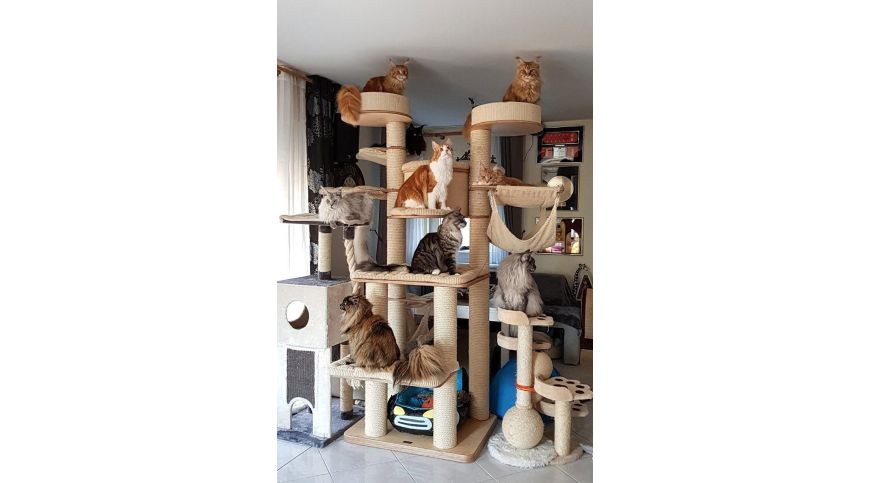
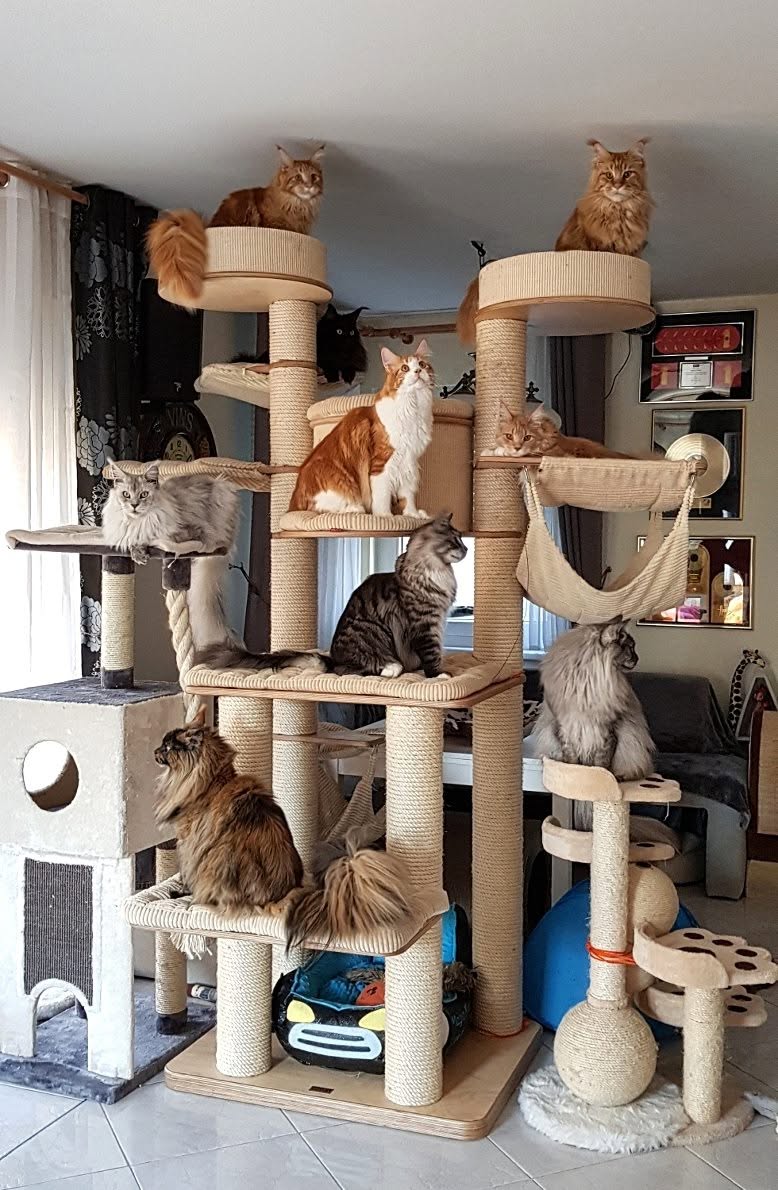
CAT TREES - FACTS AND MYTHS
About the author
My name is Leszek Zamarlik. Cats have been part of my life for more than 35 years. I first cared for European cats, and later spent more than a decade breeding British Shorthairs.
I currently care for more than a dozen cats as well. Most of them are European cats that, for various reasons, needed help and found a home with us.
For 22 years, I have been the owner and principal designer at Drapaki Rufi. During that time, I have been involved in designing hundreds of structures. I am constantly looking for solutions that combine durability, functionality and aesthetics.
I pay particular attention to technical matters: structural strength, material quality and solutions that affect the long-term use of a cat tree.
I built my experience not only through my own observations. For many years, I also maintained regular contact with cat breeders from across Europe. At first, I attended cat shows as a breeder and later also as a cat-tree manufacturer.
For a long time, I spent virtually every weekend at cat shows in different European countries. This provided an exceptional opportunity to speak with breeders, exchange experience and learn about their observations concerning cat behaviour, cats' needs and the equipment used every day.
During these meetings, I was able to observe thousands of cats of different breeds, ages and temperaments. This helped me better understand their behaviour, preferences and the ways in which they use cat trees and other items of equipment.
I later used this knowledge when designing new structures and developing solutions that work in practice.
For more than two decades, I have also analysed the durability of different materials, structures and technical solutions. I have seen cat trees after several months of use, as well as products that served cats for many years.
This allowed me to verify many commonly repeated opinions. I learned which of them had a genuine basis and which were simply myths repeated online.
That is precisely why this blog was created. When I began my own journey with cats and cat trees, I often relied on information that appeared credible. In retrospect, some of it proved incorrect or excessively simplified.
The purpose of this blog is not to promote specific products or solutions. I want to present facts based on many years of experience, observation and conversations with cat breeders and owners.
I would like to separate facts from myths and share the knowledge that, over the years, has helped me better understand both cats and the products created especially for them.
MYTH 1: SOLID WOOD IS THE BEST MATERIAL FOR CAT-TREE POSTS
This is probably one of the most frequently repeated myths about cat trees. In many places, you will encounter the opinion that the best cat tree must have posts made from solid wood.
In reality, the matter is much more complex.
This belief comes primarily from the experiences of people who have used inexpensive cat trees. Such products very often use posts made from low-quality cardboard tubes.
It is important, however, to emphasise one key point: the problem is not the cardboard tube itself, but its quality.
The cheapest products usually use tubes with very thin walls, often only about 2 mm thick. They are made from inexpensive materials and their strength leaves much to be desired. Such posts may deform, crack or break during use.
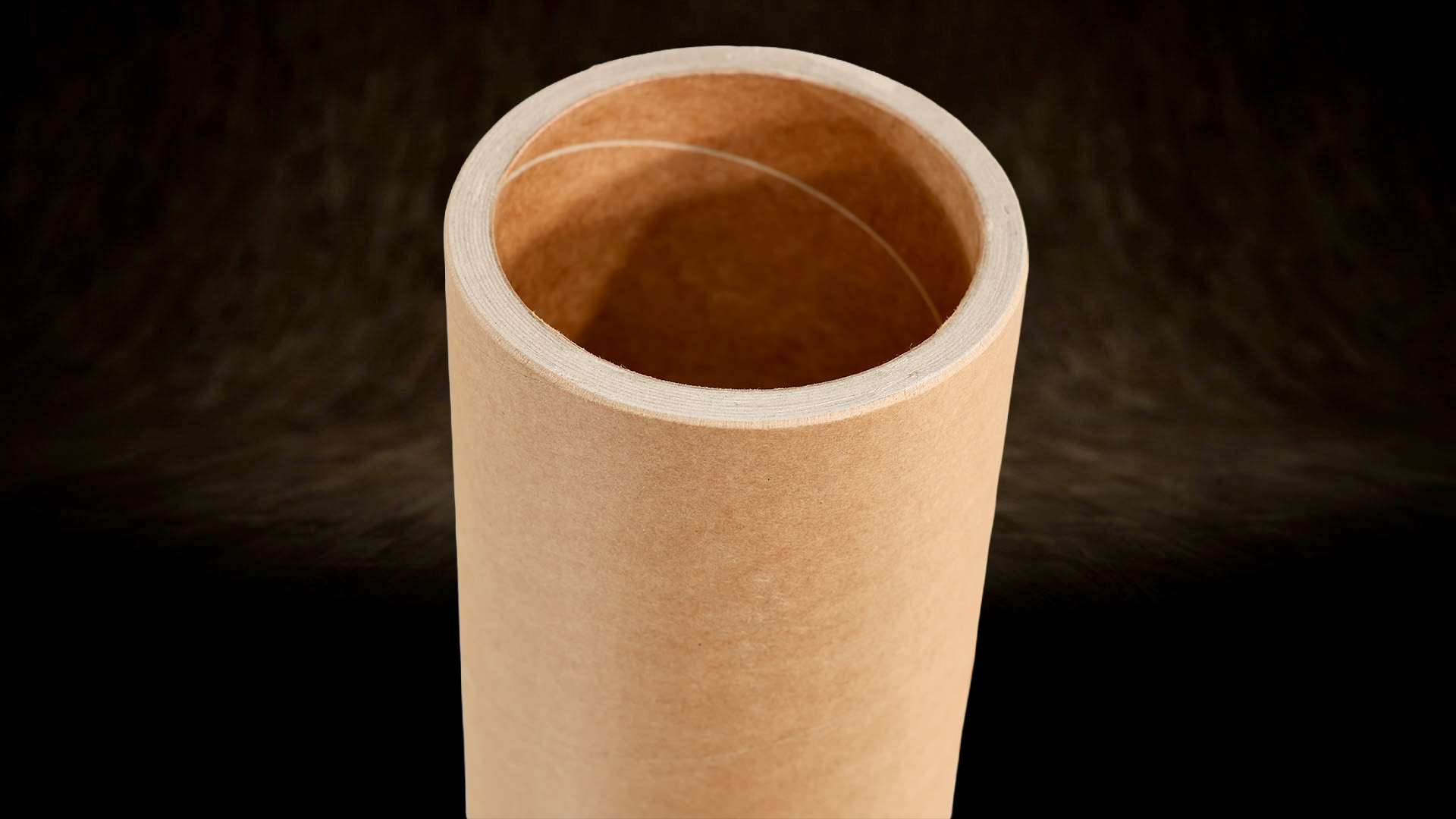
Based on these experiences, many people reach a simple conclusion: if a cardboard tube proved unreliable, solid wood must be the best solution.
This, however, is an excessive simplification.
First problem - the natural movement of wood
One of the problems with solid wood is its natural movement. The material is not completely dimensionally stable and responds to changes in environmental conditions, particularly air humidity.
The longer the wooden post, the more noticeable this phenomenon may become. In tall structures, especially after several years of use, some posts cease to remain perfectly straight.
Gradual warping affects more than the appearance of the structure. It may also change the way the sisal rope wound around the post behaves.
In extreme cases, deformation of the wood may cause the rope to loosen or shift. It may also cause the rope to lift away from parts of the post's surface.
Second problem - fixings and connections
Supporters of solid wood also often point to the durability of the connections. They assume that because wood is hard and substantial, all fixings installed in such a post will automatically be more durable.
This belief also usually arises from experience with inexpensive cat trees. In structures of this type, a plastic collar with a nut is often fitted inside a thin-walled tube.
When the plastic component fails, it is easy to conclude that using solid wood will eliminate the problem completely. In practice, however, it is not that simple.
The greatest challenge is not the wood itself, but securely embedding the threaded component. This is the part that allows the post to be connected to the base or a platform.
Wood changes its dimensions in response to humidity. Under some conditions it grips the embedded component more tightly, while under others the pressure decreases. At the same time, during use, the post is constantly subjected to vibration and loading.
Failures of such connections occur less frequently than in the cheapest structures. Nevertheless, the fixing may still loosen or be pulled out.
What should you check before buying?
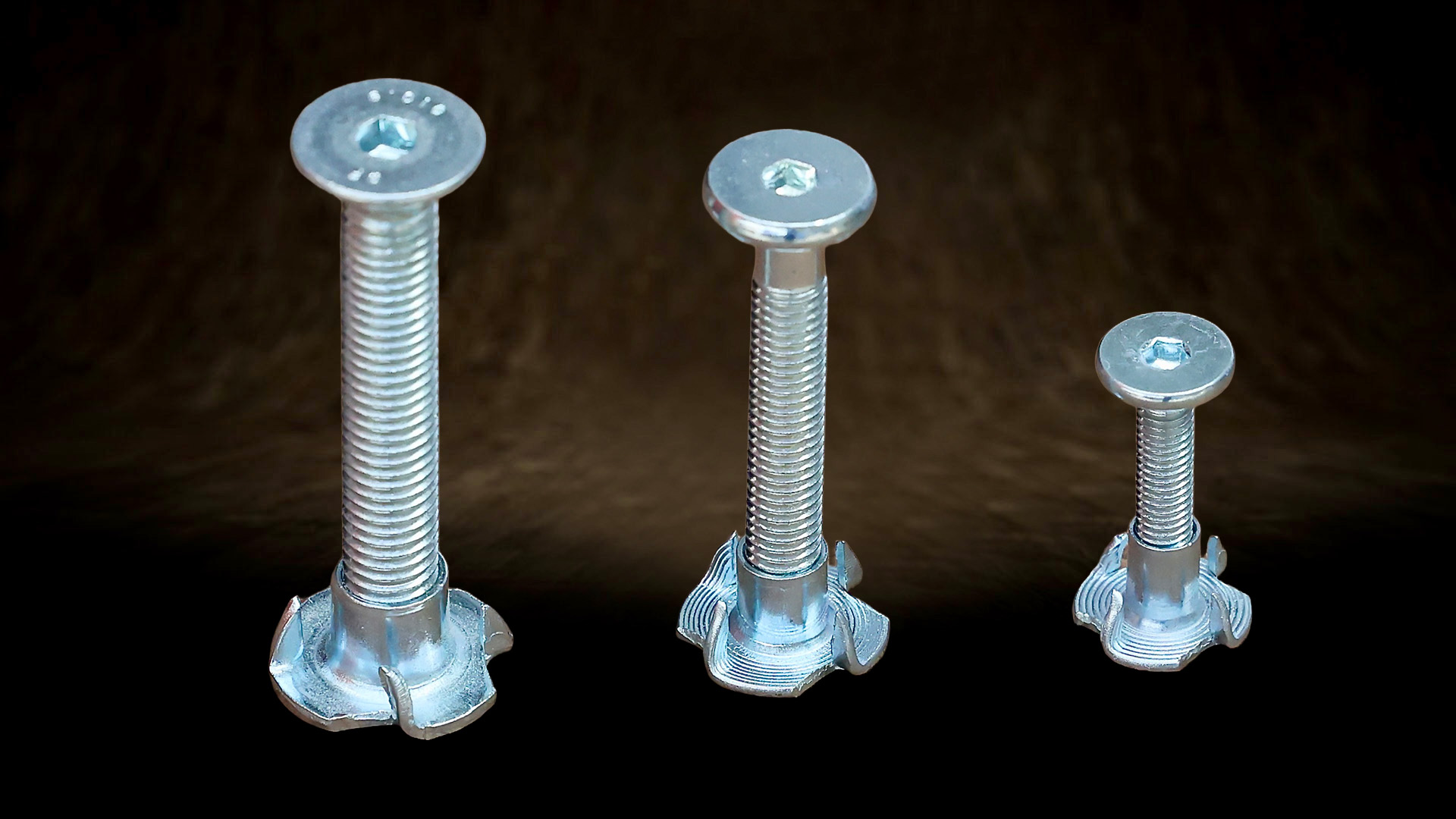
One of the first parameters worth checking is the diameter of the bolt and the thread used.
If the main structural posts are secured with M6 or M8 threads, this should be treated with caution. Such solutions may be suitable for auxiliary components, but they do not provide an adequate strength reserve for the principal load-bearing parts.
In my opinion, M10 is the minimum reasonable standard for structural posts. This is the point at which the connection begins to provide the strength required to carry the loads generated by years of everyday use safely.
Durability is determined by the details
Many manufacturers focus mainly on external appearance. In reality, the durability of a structure is often determined by components the customer cannot see.
In our structures, we use thick plugs made from multilayer plywood inside the posts. The fixing components are embedded in these plugs.
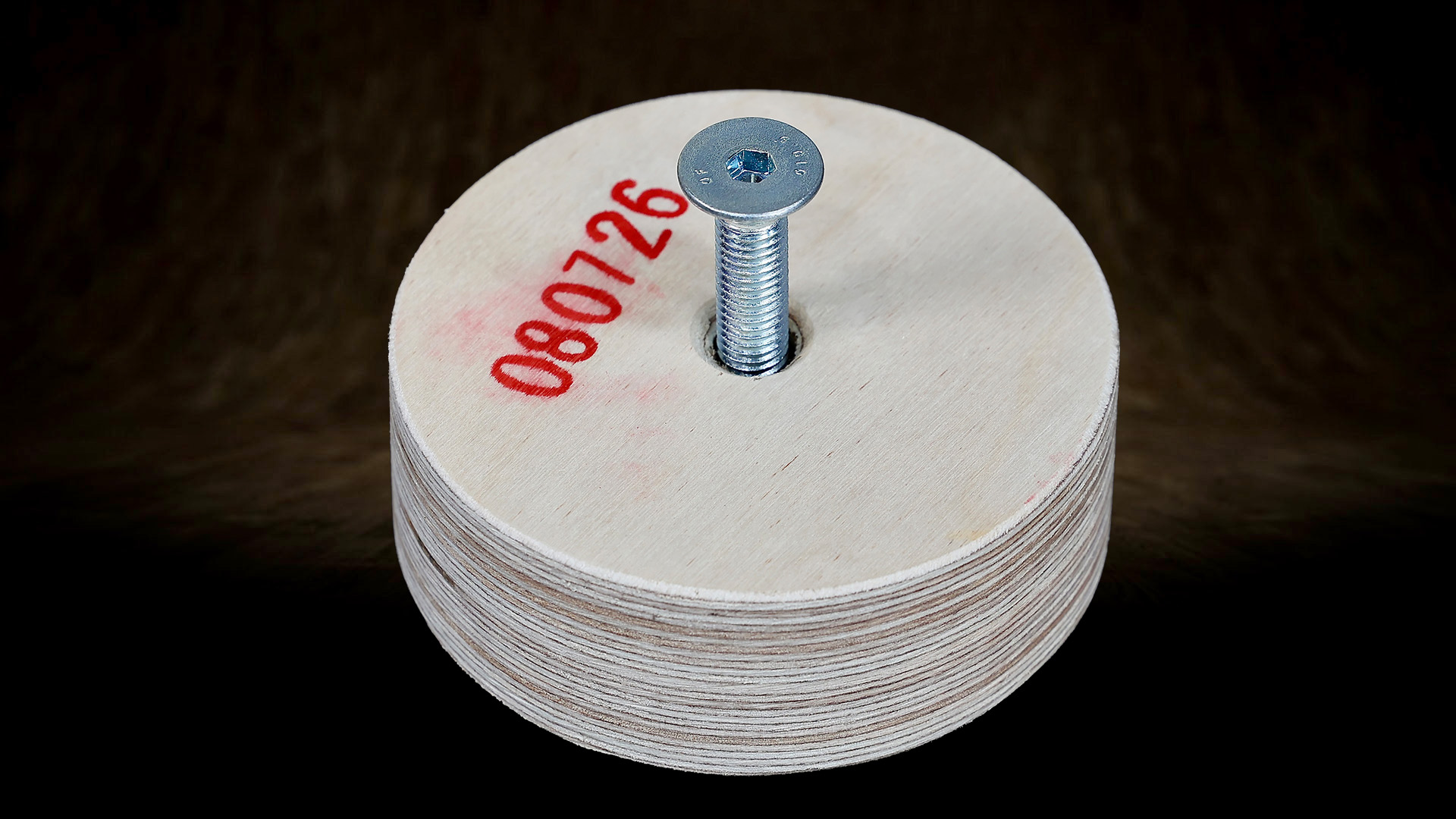
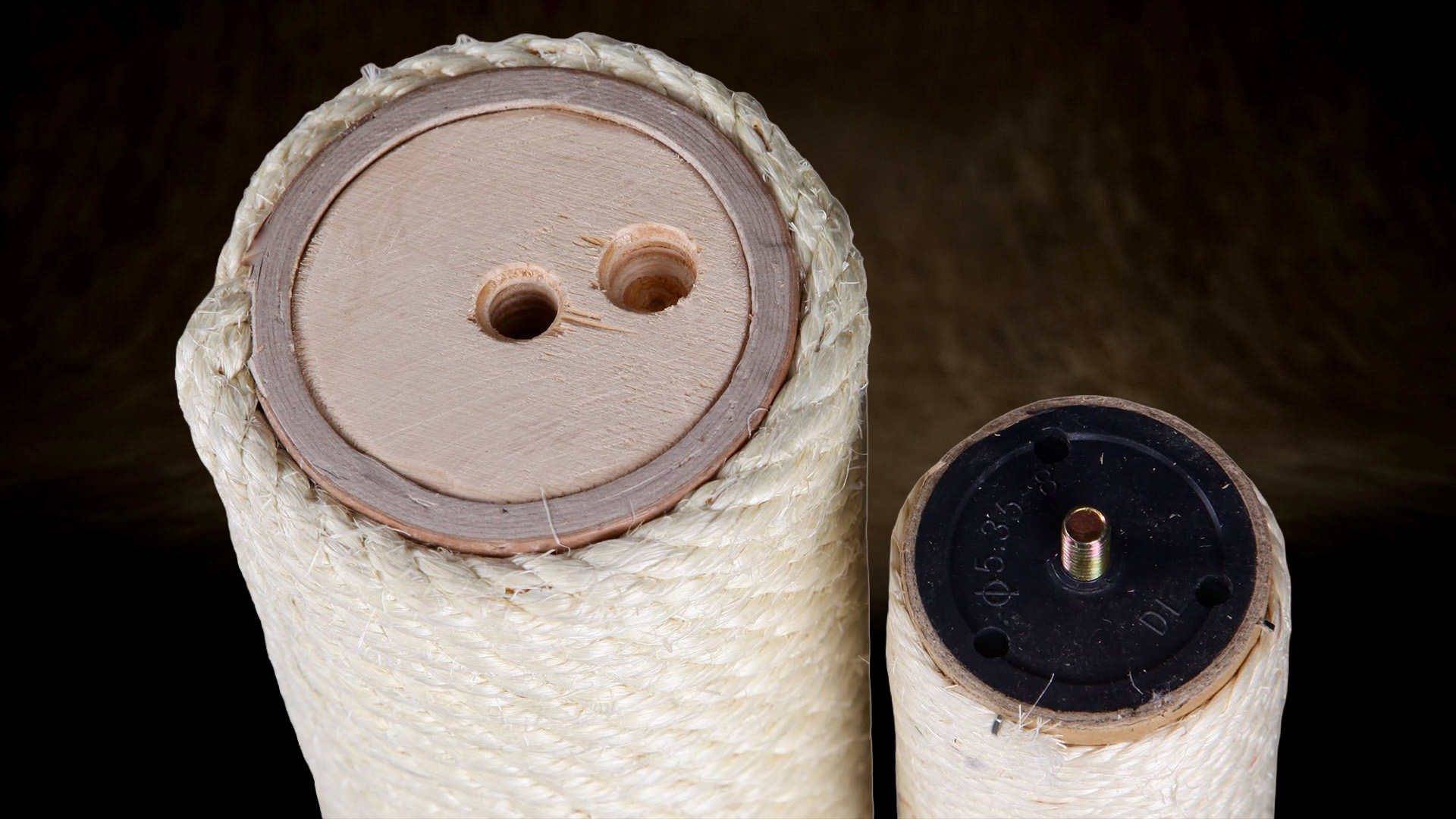
The quality of the T-nut is also very important. In cheaper solutions, the threaded section may separate from the metal plate even though the T-nut itself remains correctly embedded in the material.
For the user, the result is the same: the connection stops working and the cat tree requires repair.
Which solution do I consider best?
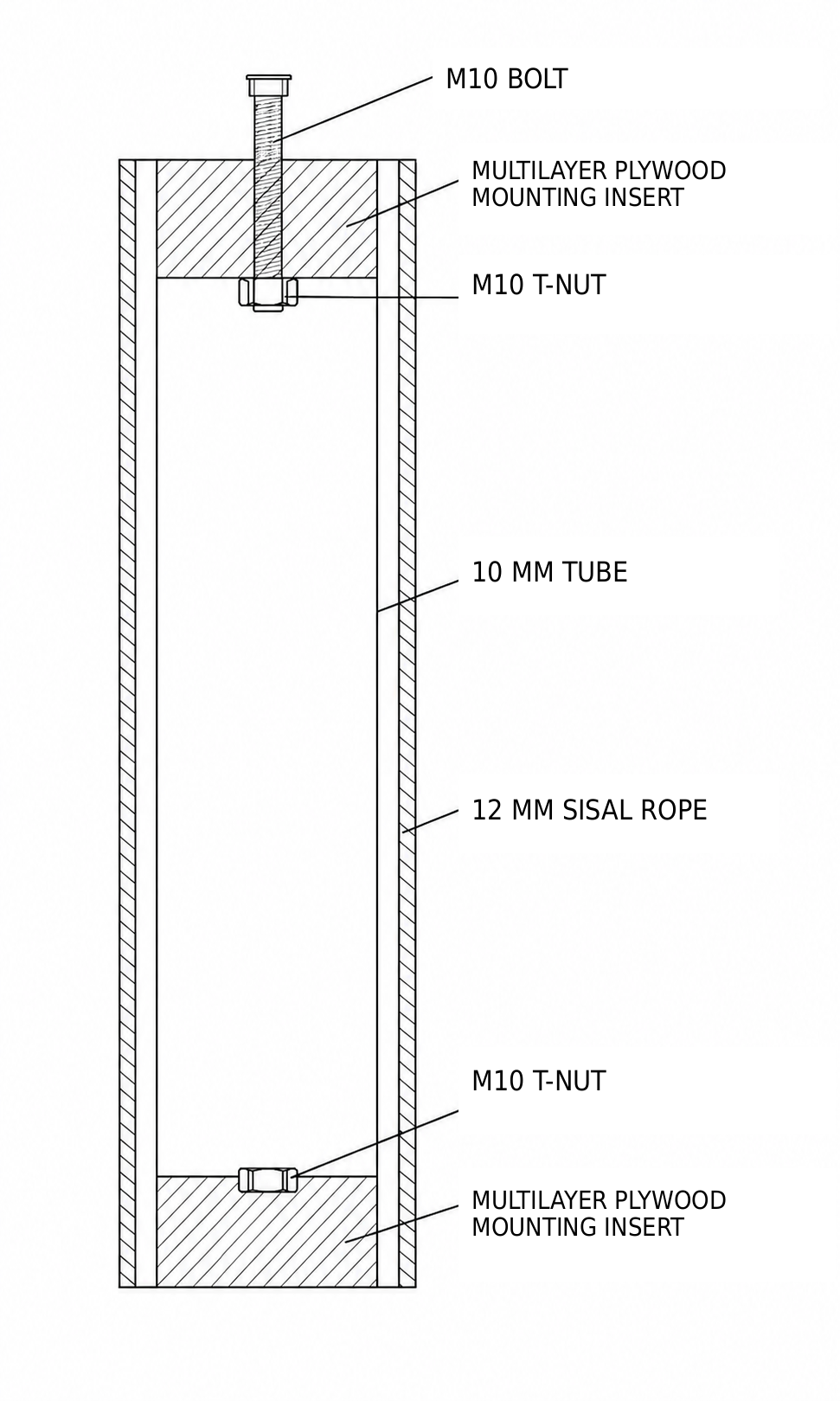
Based on more than two decades of experience in designing and manufacturing cat trees, I believe that the best solution for indoor structures is a combination of:
- a high-strength, thick-walled tube,
- a solid insert made from multilayer plywood,
- a high-quality T-nut,
- an M10 threaded connection.
A post made in this way can be very rigid, durable and resistant to many years of use.
What about cat trees intended for outdoor use?
The situation is different for structures intended for cat enclosures, balconies, terraces or gardens. Under these conditions, solid wood is often a very good solution.
The condition is that the material must be properly prepared and the structural connections must be robust.
In our outdoor cat trees, we use a steel component that passes through the entire cross-section of the wood. This distributes the load over a much larger area.
Pulling out such a connection would require substantial damage to the post itself.
Summary
Wood is a good material for building cat trees. It is not, however, a perfect material or automatically the best one.
The durability of a post is not determined solely by whether it is made from wood, cardboard or another material. What matters is the quality of the entire structure: the load-bearing material, the fixing, the connecting components and the manufacturing technology.
The statement that 'the best cat tree must have solid-wood posts' should therefore be regarded as a myth.
MYTH 2: THE THICKER THE POST, THE MORE DURABLE THE CAT TREE
This is another popular myth that has been repeated online for years. Many cat owners believe that very thick posts automatically mean a durable cat tree that will last for many years.
As with most myths, there is a grain of truth in this one. The problem is that the wrong conclusions are often drawn from it.
Where is this myth true?
A larger post diameter can indeed improve the stability of the structure.
A post with a diameter of 20, 25 or 27 cm rests against the base and platforms over a larger surface area. As a result, loads are distributed across a wider area and the forces acting on the connections may be lower.
In structures made from materials of average quality, a larger post diameter may therefore improve the mechanical resistance of the entire cat tree. This applies primarily to stability and the strength of the connections.
That, however, is where the truth contained in this myth ends.
Where does this myth stop being true?
The greatest mistake is to equate the diameter of a post with the durability of the scratching surface.
It is often assumed that because a post is very thick, a cat will use it for many years and the material will wear much more slowly.
In reality, the diameter of the post has little effect on the durability of the scratching surface itself.
Its service life is determined primarily by the type and quality of the material used.
A cat does not scratch the entire post
One argument supposedly supporting very thick posts is the belief that a cat uses their entire surface.
Experience shows otherwise.
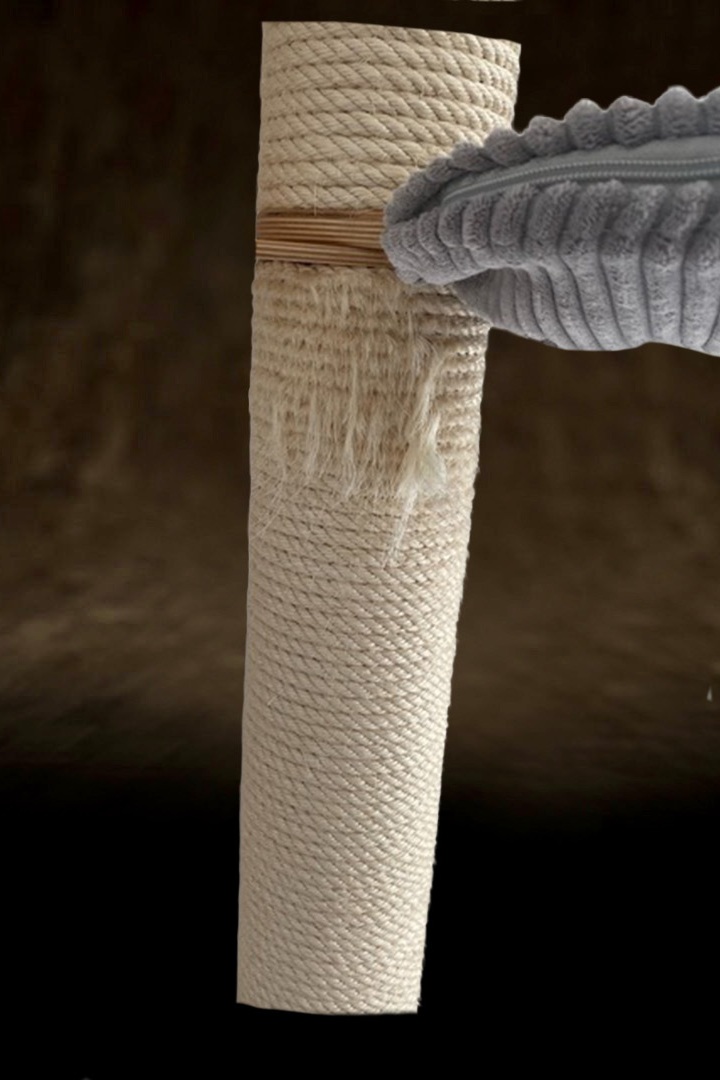
Most cats choose one specific area and regularly sharpen their claws there. Photographs of worn posts often show that the damage is concentrated within an area only a few centimetres wide.
A cat does not circle the post and distribute wear evenly around its full circumference. It usually returns to the same place and performs most of its scratching movements there.
As a result, even a very thick post may become heavily worn in one spot while the rest of its surface remains almost untouched.
Increasing the diameter therefore does not extend its service life proportionally.
A thick post is not always a durable post
The market offers many cat trees with posts measuring 20, 25 or even 27 cm in diameter. For many customers, a size like this is automatically associated with durability and high quality.
Unfortunately, this is often only an impression.
I have repeatedly encountered structures fitted with very thick posts but covered with low-quality material. In some cases, it was difficult even to describe the covering as proper sisal rope. It was more like a thin cord with little resistance to abrasion.
In such a situation, the large diameter makes little difference. The scratching material wears just as quickly as it would on a much thinner post.
It is therefore possible to buy a massive and impressive-looking post whose surface wears out faster than that of a much more modest structure made from better materials.
What really determines durability?
If we assess a post purely as a scratching surface, the quality of the material applied to its exterior is crucial.
This is the material that absorbs thousands of movements of a cat's claws every day. It is also what determines how long the post retains its properties.
The answers to the following questions are therefore much more important than the diameter alone:
- What material is the scratching surface made from?
- What is the quality of that material?
- How resistant is it to abrasion?
- How has it been attached to the post?
- Does the manufacturer use materials intended for many years of service?
These are the features that have the greatest effect on the actual service life of the scratching component.
If durability matters, look at the material
If durability is the main selection criterion, it is worth focusing primarily on the material covering the post rather than on the post's diameter.
There are many solutions available for creating scratching surfaces. In addition to traditional materials, synthetic tapes, composite materials and other alternatives to conventional sisal are becoming increasingly common.
The most frequently encountered include:
- sisal ropes,
- sisal mats,
- jute ropes,
- jute mats,
- hemp ropes,
- hemp mats,
- various types of synthetic tapes and materials.
Most of these can be used to create a scratching surface. This does not mean, however, that they all provide similar durability.
In my experience, sisal remains the best material. This applies both to high-quality sisal mats and to properly manufactured sisal rope.
How can you assess the quality of sisal rope?
To some extent, the quality of the rope can already be assessed from product photographs.
Good sisal rope should be approximately 11-12 mm in diameter. The way it is made is also important. The most durable ropes are twisted from four main strands and have a very tight, compact construction.
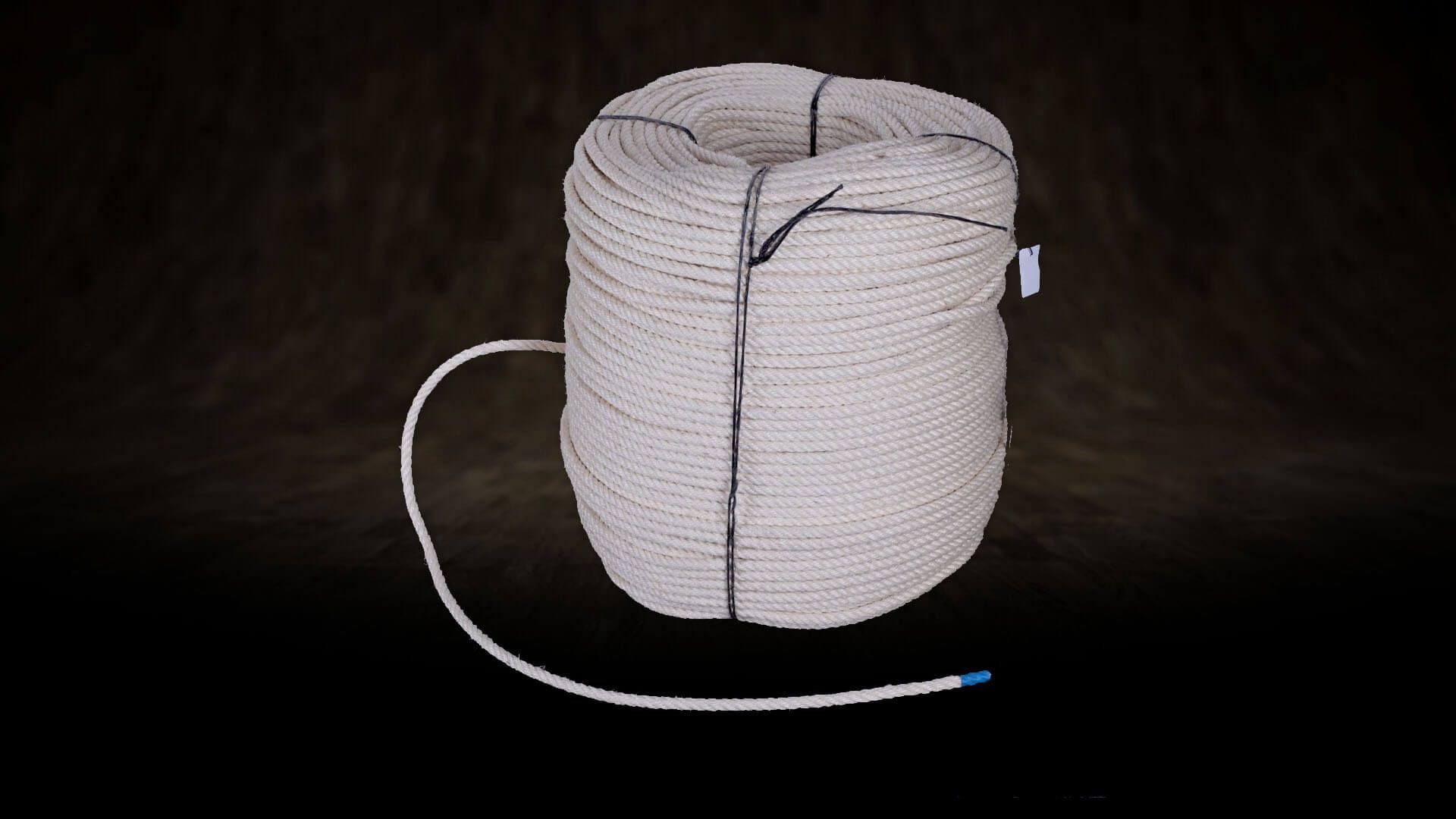
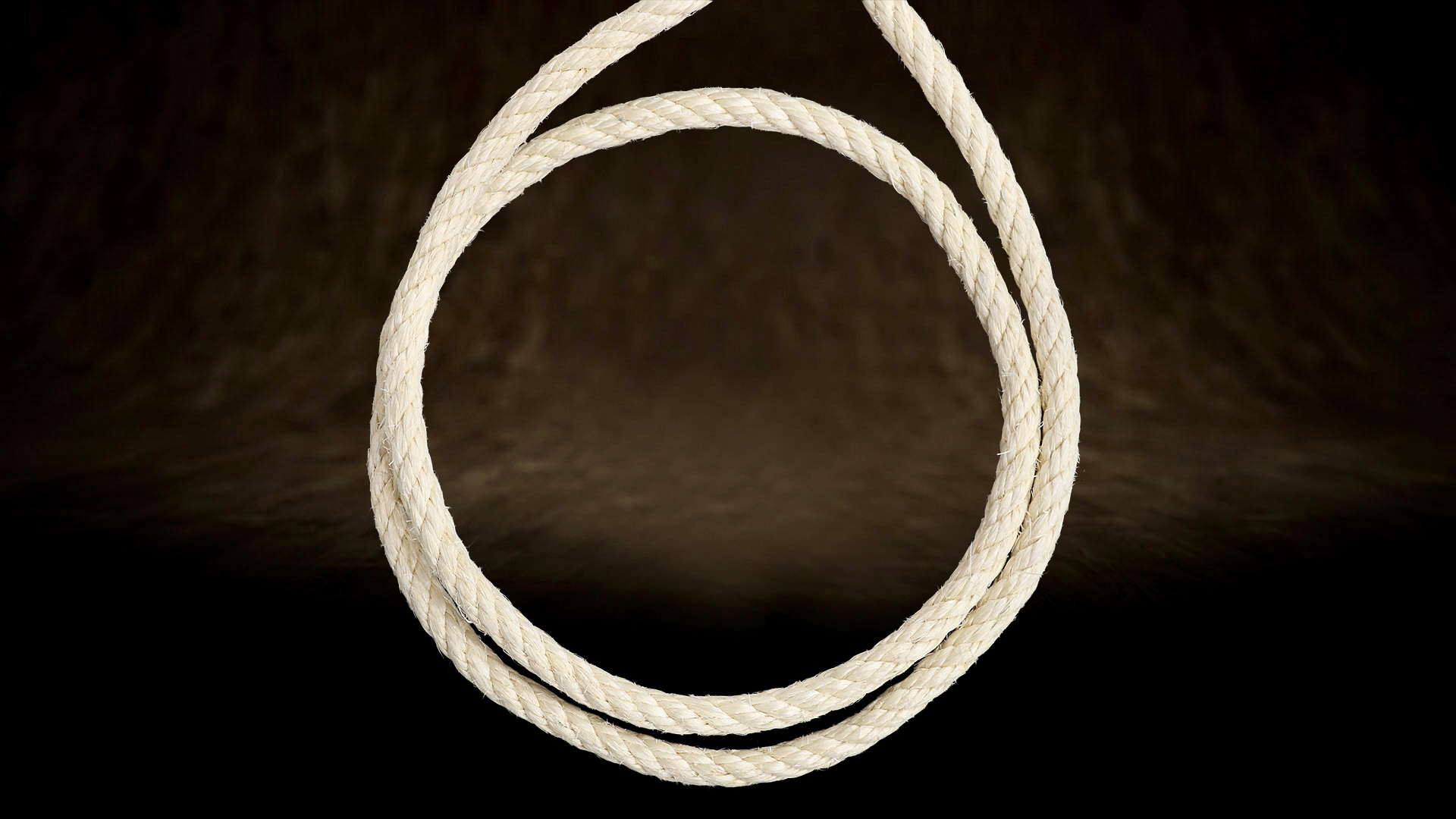
The installation method is also highly important. Even the best rope will not perform properly if it is wound loosely around the post.
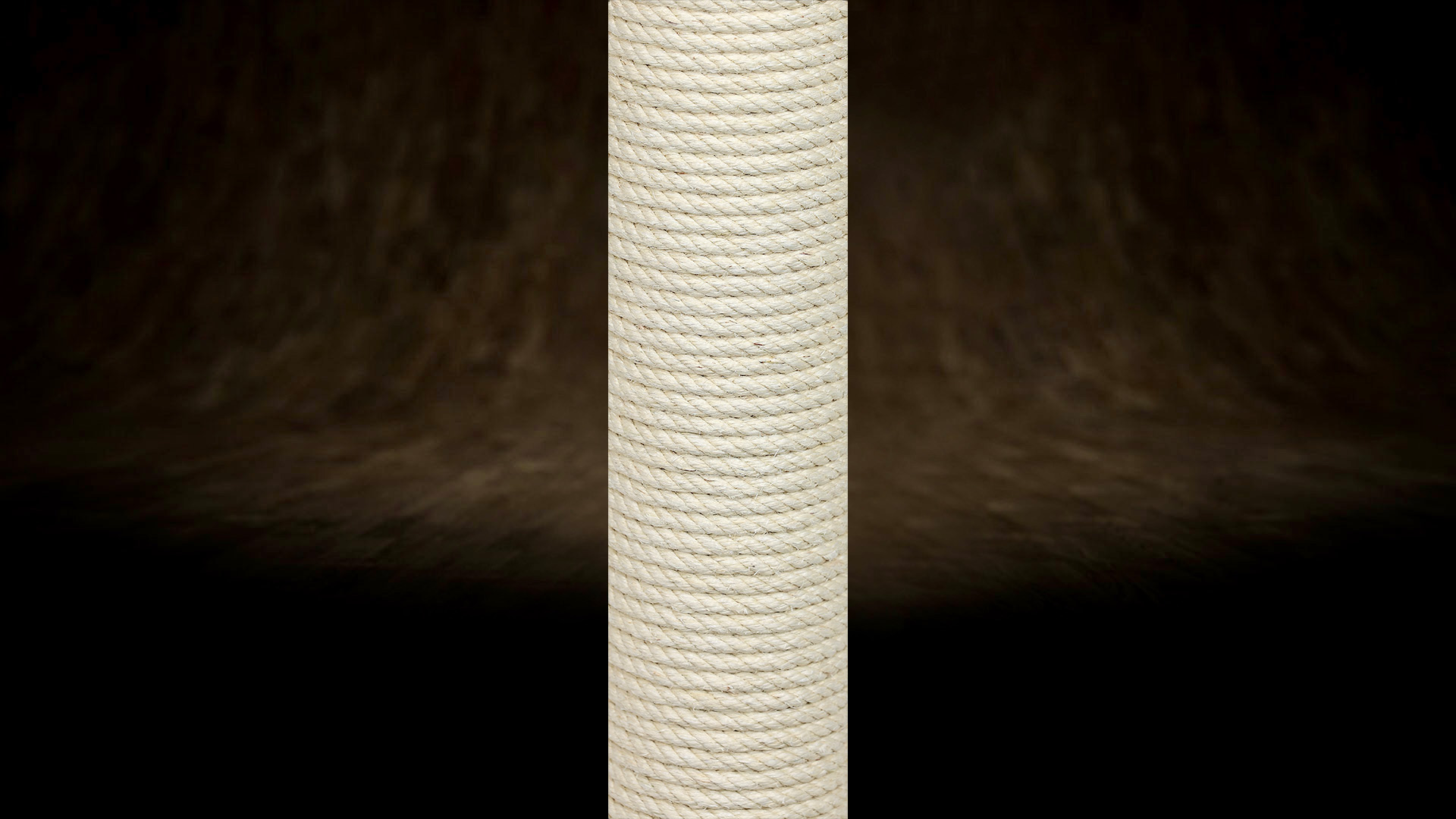
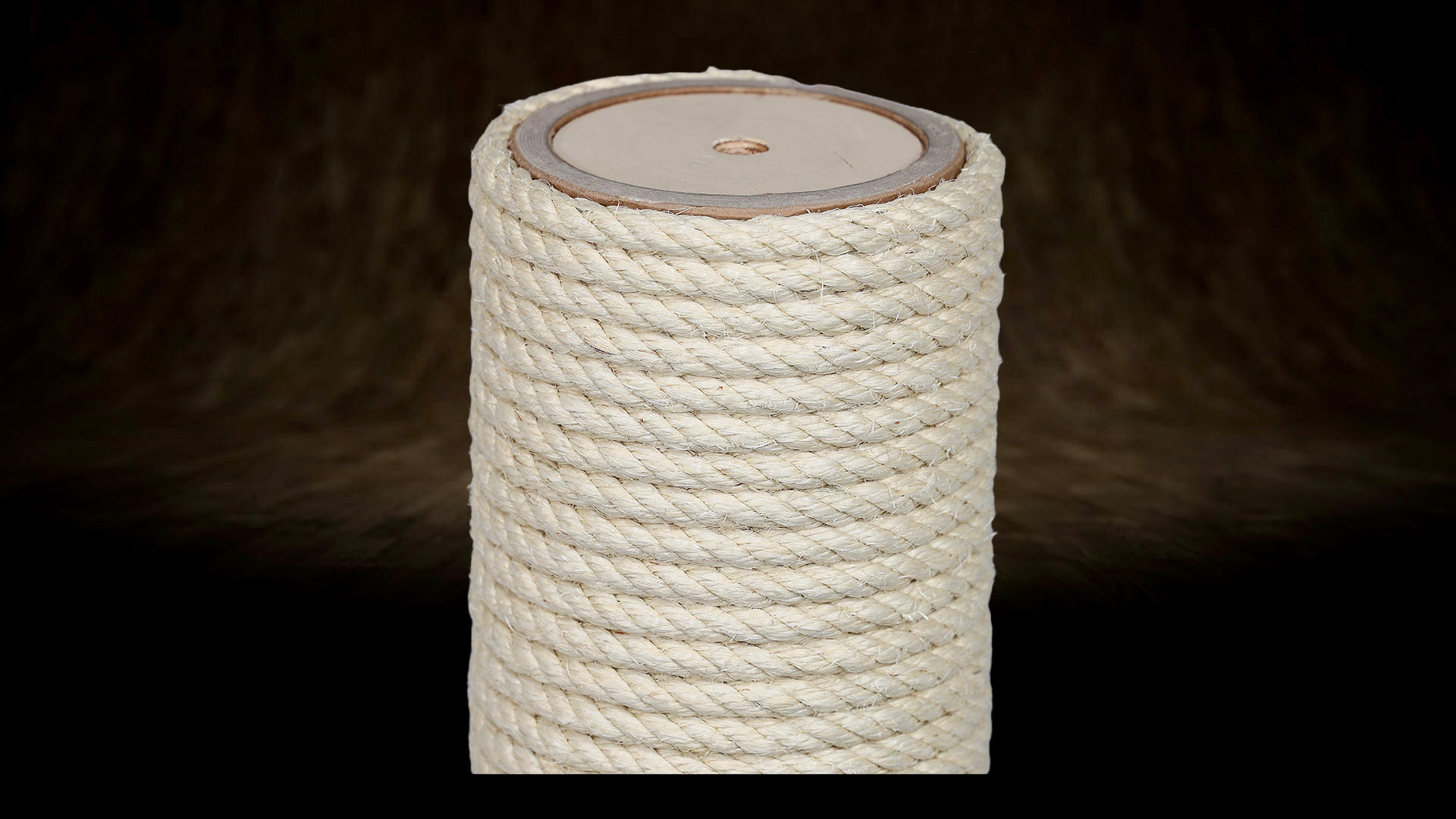
The most durable result is achieved when the rope is wound under high tension and permanently bonded to the surface of the post.
In my opinion, this is currently the best way to manufacture a post intended for intensive scratching.
Why are sisal mats more difficult to assess?
Assessing the quality of a sisal mat is much more difficult. With rope, some parameters can be recognised visually. With mats, most of the key features remain invisible to the customer.
From a photograph, it is difficult to determine:
- the actual thickness of the mat,
- the material weight,
- the quality of the fibre used,
- the type of backing,
- how the reinforcing layer has been made.
The best sisal mats are usually approximately 5-7 mm thick. On the underside, they have a reinforcing layer, most often in the form of a rubberised coating or another flexible backing.
This layer increases the mat's resistance to stretching and damage. A good-quality sisal mat can offer durability only slightly lower than that of thick sisal rope.
The photographs show a natural sisal mat approximately 6 mm thick. The latex backing stabilises the weave, reduces the movement and pulling-out of fibres, and increases the material's resistance to repeated catching by claws.
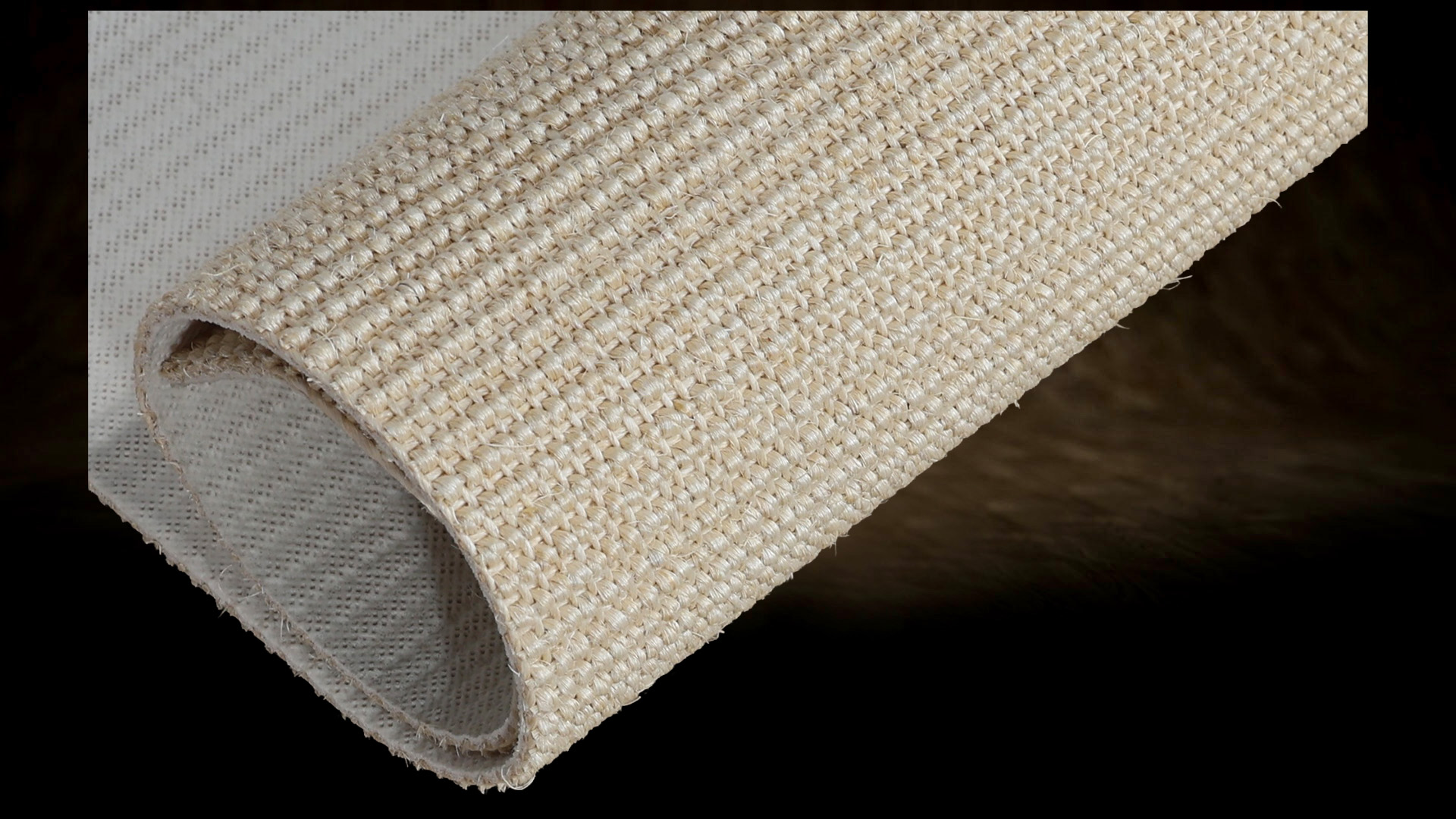
The problem is that the average customer cannot verify these parameters before purchase.
Not every mat and not every rope are the same
In recent years, many very low-quality materials have appeared on the market that merely resemble sisal in appearance.
Products made from thin fibres, with a loose weave and without suitable reinforcing layers are available. Admixtures of cheaper synthetic fibres or other materials used to reduce production costs can also be found.
At first glance, the differences may be invisible. They often become apparent only after several months, when the material begins to separate, wear through or detach from the substrate.
Comparison of sisal-rope wear: on the left, an inexpensive cat tree after several days of use; on the right, a Drapaki Rufi post after several years. Durability is determined by the quality of the fibre, the degree of rope twist, and the way the rope is wound and secured.
Therefore, when assessing the durability of a cat tree, a more important question than the post diameter is:
What material is the scratching surface made from, and what is its quality?
Summary
A large post diameter can improve structural stability and reduce the loads acting on the connections. In this respect, thicker posts can indeed be an advantage.
The diameter should not, however, be equated with the durability of the scratching surface.
A cat does not usually wear the entire circumference of a post evenly. It concentrates on one selected area. As a result, even a very thick post may wear quickly if it is covered with low-quality material.
If long-term durability is important, the quality of the rope, mat or other surface material matters far more. It is this material, rather than the post's circumference, that is the principal factor determining service life.
MYTH 3: A FLOOR-TO-CEILING CAT TREE IS ALWAYS STABLE BECAUSE IT BRACES AGAINST THE CEILING
This is one of the most widespread myths about cat trees. Many owners assume that a structure braced between the floor and ceiling is automatically safe and stable.
With this way of thinking, build quality becomes a secondary consideration. This is a serious mistake and one of the more dangerous myths on the market, particularly from the perspective of a cat's safety.
A ceiling brace cannot replace a solid structure
The mere presence of a ceiling brace does not make a cat tree safe.
A floor-to-ceiling cat tree should meet the same requirements as any other structure. It must have properly designed posts, platforms, hammocks, beds, cat houses and all the other components the cat uses every day.
The ceiling brace is an additional stabilising component. It does not replace sound structural design or solid workmanship.
There are, of course, models composed almost entirely of posts intended for climbing and scratching. These are the exception rather than the rule.
Regardless of the type of cat tree, safe use remains the most important criterion.
Why is this myth dangerous?
Over the years, I have encountered many cases of damaged floor-to-ceiling cat trees. This information came both from customers and from conversations held at cat shows, trade fairs and meetings with breeders.
There have been situations in which the structure failed and the cat fell to the floor together with the cat tree. In several cases, this resulted in serious injuries to the animal and costly treatment.
For this reason, the most important features of a floor-to-ceiling cat tree are not its appearance, the number of platforms or the type of upholstery. What matters most is the strength of the entire structure.
If a platform is too small, the cat may simply choose not to use it. An uncomfortable hammock does not necessarily present a health risk either.
If a load-bearing component fails, however, the consequences may be far more serious.
The posts are the most important components
In tall floor-to-ceiling cat trees, the posts forming the main load-bearing system are crucial. This is especially true of structures based on a single vertical line running from the floor to the ceiling.
In my experience, particular attention should be paid to:
- the post diameter,
- the thickness of the tube wall,
- the construction of the internal insert,
- the type of bolts used,
- the quality of the ceiling tensioning system.
For floor-to-ceiling structures, a post diameter of 14 cm is the minimum reasonable standard.
The thickness of the tube wall is equally important. It should be at least 8-10 mm. Thin-walled tubes may be suitable for small structures, but in a tall cat tree they significantly increase the risk of damage.
The quality of the internal inserts and fixing components must not be overlooked either. These are the parts that carry the loads generated during everyday use.
The ceiling tensioning system is extremely important
Customers often focus on the appearance of the cat tree and pay little attention to the tensioning system itself. This is a mistake.
The safest solution is to manufacture the cat tree for the specific height of the room.
If the room is 265 cm high, a made-to-measure cat tree with a height of, for example, 258-260 cm will be a better solution than a 240 cm structure that requires the tensioning system to be extended by approximately 25 cm.
The further the adjustment screw is extended, the greater the loads acting on the entire mechanism.
The problem is particularly apparent in cheaper structures, where thin screws and weak adjustment systems are used. Components may bend or loosen, and the entire brace may even become damaged.
This, in turn, creates a risk that the cat tree will lose stability.
The tensioning system of a floor-to-ceiling cat tree in successive positions: before adjustment, after extension with the cover lowered, and with the cover raised to reveal the stabilising screw. A solid mechanism should allow the cat tree to be adjusted precisely to the room height and securely locked in position.
What should you ask the manufacturer?
Before buying a floor-to-ceiling cat tree, it is worth asking the manufacturer several basic questions:
- What is the diameter of the posts?
- How thick are the tube walls?
- What are the posts filled with?
- What bolts are used in the structure?
- How does the ceiling tensioning system work?
- What is its maximum adjustment range?
- Can the cat tree be made for a specific room height?
The answers to these questions will reveal far more about the quality of the structure than even the most impressive product photographs.
Safety is more important than appearance
With floor-to-ceiling cat trees, it is easy to focus on attractive styling, the number of platforms or the equipment included.
It is worth remembering, however, that these are among the tallest structures used by cats. Cats jump onto the highest levels at speed, make sudden turns, play and sleep at heights exceeding two metres.
All structural components must therefore safely withstand substantial dynamic loads for many years.
In a free-standing cat tree, damage usually causes the structure to lean or lose stability. In a floor-to-ceiling structure, the consequences may be much more serious.
Technical solutions should therefore be assessed first, and only then the model's appearance and equipment.
Summary
A ceiling brace can increase the stability of a cat tree very effectively. On its own, however, it does not guarantee safety.
A safe floor-to-ceiling cat tree is more than a structure braced against the ceiling. Every one of its components must be properly designed and solidly made.
Post diameter, tube-wall thickness, the quality of the internal inserts, the type of bolts and the design of the ceiling tensioning system matter more than the mere fact that a brace has been used.
When choosing a model, it is therefore not enough to ask whether it is ceiling-braced. The more important question is whether the entire structure has been designed to carry loads safely for many years.
With a floor-to-ceiling cat tree, more than the durability of the product is at stake. The cat's safety is the most important consideration.
MYTH 4: IF IT LOOKS THE SAME, WHY SHOULD I PAY MORE?
This question often appears in cat-related groups, online forums and messages from customers:
'Why does this cat tree cost twice as much when I found an identical one online for half the price?'
At first glance, the question seems reasonable. Many cat trees look similar. They have a comparable arrangement of platforms, a similar number of posts and similar colours. In photographs, they may appear to be almost identical products.
The problem is that external appearance represents only a small part of the complete cat tree.
Where do the price differences come from?
In recent years, virtually every cost associated with production has increased. This includes raw materials, energy, transport, wages, warehousing, environmental charges and many other factors.
Contrary to a common belief, margins in the cat-tree industry are not particularly high today. When a product costs two or three thousand zlotys, it is easy to assume that the manufacturer is making a very large profit.
In reality, a substantial part of the price consists of materials, labour and all the processes required to manufacture the product.
If two cat trees look similar but one costs half as much, it is worth checking where the difference comes from. In the vast majority of cases, it is not accidental.
A similar appearance does not mean an identical product
On many occasions, customers have sent us two links: one to our product and another to a similar-looking model from a different company. The question was usually why one cat tree cost considerably more.
It is impossible to assess every technical solution accurately from a photograph alone. You cannot see how the post has been constructed, how thick the rope is or how it has been attached.
Nor can you determine the thickness of the tube, what it contains or which bolts have been used in the structure.
However, even an analysis of the basic dimensions often shows that the products being compared are not the same at all.
A model may have a similar arrangement but much smaller components. A cat house with an internal diameter of 45 cm in one cat tree may measure 40 cm in another, and sometimes only 35 cm.
The same applies to rosette-style beds. A difference of a few centimetres may seem minor, but in practice it means a substantially smaller usable area.
At first glance, beds with diameters of 35 and 50 cm may look almost identical. The smaller size is commonly found in compact cat trees sold in shops and online marketplaces, whereas a diameter of 50 cm is used in many standard Drapaki Rufi structures.
The apparent difference is only 15 cm, but the area of a circle increases with the square of its radius. A bed 35 cm in diameter has an area of approximately 962 cm², while a 50 cm model has an area of approximately 1,963 cm². The larger bed therefore provides more than twice as much lying space for the cat.
Cat trees designed for large cats, including Maine Coons, also use beds with diameters of 60 or even 65 cm. When comparing products, it is therefore worth checking the actual dimensions rather than looking only at the arrangement and appearance of the components.
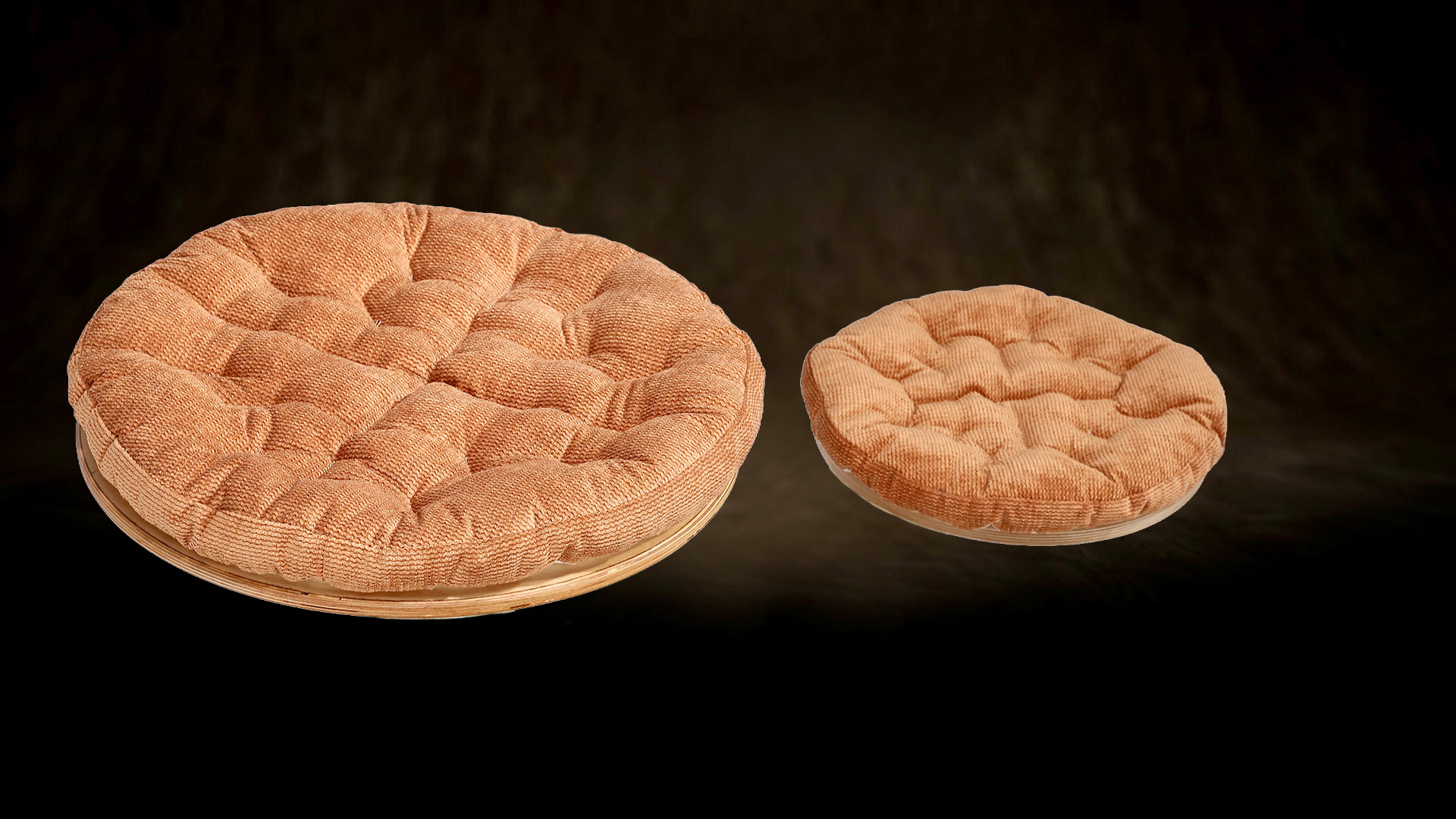
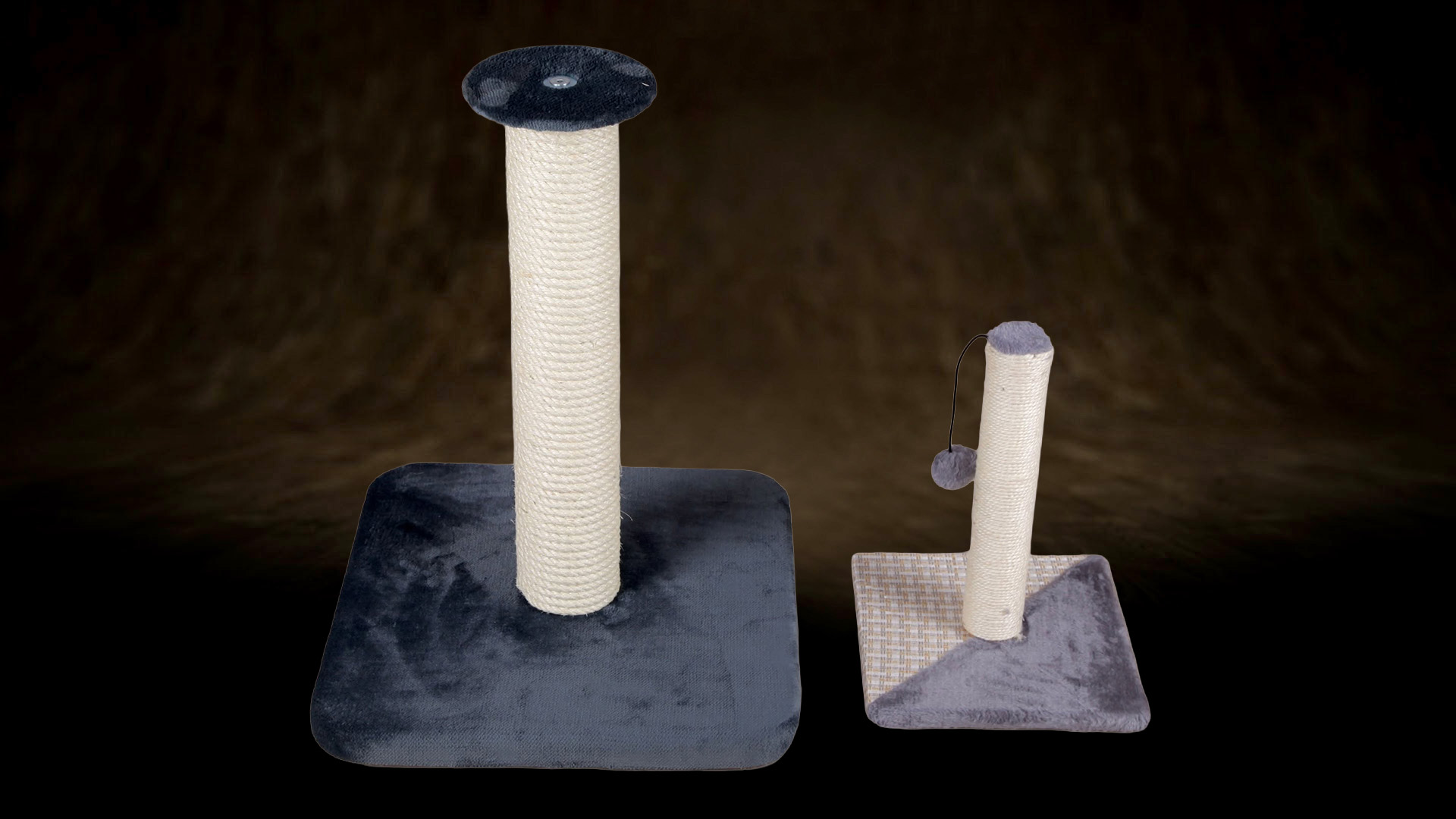
The same applies to posts. In one model they may be 50 and 100 cm long, while in a similar structure they may measure 40 and 80 cm. A diameter of 10 cm or even less may be used instead of 14 cm.
As a result, a product that looks almost identical in a photograph may be substantially smaller, lighter and made from completely different materials.
The price does not come from nowhere
There have been occasions when we priced a similar structure according to our own price list while taking its smaller dimensions into account. It then turned out that a product with those parameters would cost less from us than the model the customer had indicated as the cheaper alternative.
This clearly shows that a product's price is not determined at random.
It is influenced by factors including:
- the quantity of materials used,
- the quality of the raw materials,
- the dimensions of the individual components,
- the manufacturing method,
- the time required for production,
- the structural solutions used.
When comparing two cat trees, it is therefore unwise to rely solely on a photograph. A similar arrangement of components does not mean that the products belong to the same quality class.
How can you navigate hundreds of offers?
A person looking for a cat tree can choose from an enormous number of products, while receiving very little objective information.
Judging only from online-shop descriptions, you might conclude that almost every cat tree is exceptionally durable, extremely stable, suitable for large cats and made from the finest materials.
The reality is more complicated.
Reliable information that makes it possible to assess a product's true quality is difficult to find. This applies not only to shops but also to forums and discussion groups devoted to cats.
I have repeatedly encountered situations in which users recommended a particular model based on their first impression or after only a few days of use.
This is understandable. If someone has just bought a new cat tree, is pleased with it and sees that the cat uses it willingly, it is natural to share a positive opinion.
The durability of a structure can, however, be assessed reliably only after a longer period.
After a few days, it is impossible to predict how the rope will behave, whether the connections will remain rigid, how durable the upholstery will prove to be, or whether the structure will retain its stability after months or years of intensive use.
I do not believe that people who recommend weaker products do so knowingly. In most cases, it results from a lack of experience and knowledge of the components that genuinely determine the quality and safety of a cat tree.
It is better to buy a smaller but solid cat tree
I fully understand that not everyone has the budget for a large and elaborate structure. Price is a very important criterion for many people.
From my perspective, however, it is better to choose a smaller, solidly made cat tree than a very large structure in which savings have been made on materials and load-bearing components.
Safety should be the highest priority.
A smaller model can be extended or replaced in the future. It is far more difficult to remedy the consequences of an unstable or poorly made structure failing while a cat is using it.
Why did I start designing my own cat trees?
Many years ago, when I began my own journey with cats, I also bought products that seemed very good to me. They were not even the cheapest structures available on the market.
Even so, the first problems appeared after only a few months. Some components simply could not withstand everyday use.
These experiences were one of the reasons I began designing my own structures.
I wanted to create products based on solutions I could trust myself and would place in front of my own cats without concern.
What should you ask before buying?
Before making a decision, it is worth spending a few minutes analysing the product more closely.
You can ask the seller or manufacturer:
- What is the diameter of the posts?
- How thick are the tubes?
- What are the posts filled with?
- What bolts and fixing components are used?
- What is the quality of the scratching rope or mat?
- What is the warranty period and scope?
- What exactly does the warranty cover?
The answers alone often show whether the manufacturer genuinely knows the product and accepts responsibility for its quality.
It is also worth checking the company's experience:
- How long has it been operating?
- How long has it been manufacturing cat trees?
- Does it provide replacement parts?
- Does it offer after-sales support?
These are not the only selection criteria, but they can help you avoid disappointment.
Summary
Two cat trees may look almost identical in a photograph while differing significantly in their dimensions, material quality, durability and safety in use.
For this reason, you should not base your decision solely on the product's price or appearance.
A good cat tree is more than an attractive photograph and a catchy description. Above all, it is a well-considered structure, suitable materials and solutions that will remain safe and functional for many years.
If you find a similar-looking product at a considerably lower price, do not immediately assume that you are paying only for the brand name.
First check whether you are genuinely comparing two equivalent products.
Leave a Reply Cancel Reply